
Rent-to-Own in Michigan: How It Works and What First-Time Buyers Should Know
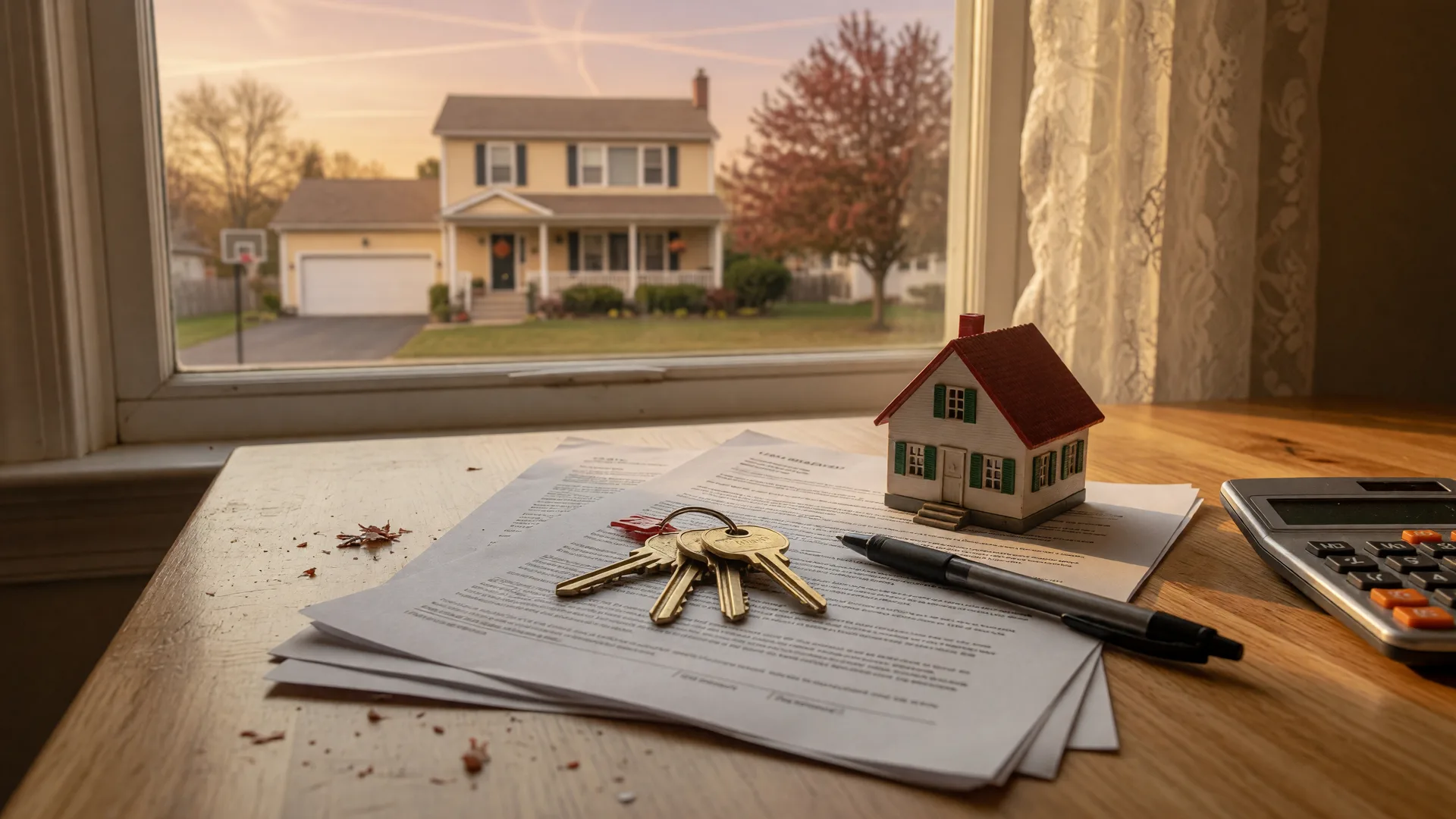
Rent-to-own in Michigan is a lease agreement with an option to buy the home later, usually after one to three years. You pay an upfront option fee, a portion of each month's rent can count toward the purchase price, and the future price is typically locked in when you sign. It sounds like a shortcut to homeownership, but it is a private contract with fewer protections than a mortgage, so it pays to understand exactly how it works before you sign anything. As a licensed REALTOR® with Keller Williams First serving Mid-Michigan since 2014, I help first-time buyers compare every path to ownership, and rent-to-own is one of the paths we look at honestly.
The key message is this: rent-to-own can buy you time while you improve your credit and save, but it is not a guarantee that you will end up owning the home. According to Michigan Legal Help, these arrangements usually have fewer protections than a mortgage, and they "buy you time, not a guaranteed mortgage." For many buyers in Genesee, Oakland, Livingston, Lapeer, Shiawassee, Saginaw, and Tuscola Counties, a conventional or government-backed loan with down payment assistance can actually be the faster, safer route. Let me walk you through both paths so you can decide with your eyes open.
Key Takeaways
- Rent-to-own pairs a standard lease with the right to buy later, typically over a one to three year term with the purchase price set at signing.
- You usually pay an option fee, often 1% to 5% of the purchase price, plus monthly rent credits, and both are typically applied to the purchase if you complete the deal.
- Michigan has no statute written specifically for home lease-purchase deals. They are private contracts with fewer consumer protections than a mortgage, and Michigan courts construe purchase options strictly.
- The biggest risk is forfeiture. If you cannot qualify for a mortgage by the deadline, you can lose the option fee and every rent credit you built up.
- For many Mid-Michigan buyers, low-down-payment loans and MSHDA down payment assistance can reach homeownership faster and with stronger legal protection.
What Exactly Is Rent-to-Own in Michigan?
A rent-to-own agreement, also called a lease-option or lease-purchase, is a residential lease that includes a separate agreement about buying the property in the future. You rent the home like any tenant, and at the same time you secure the right, and sometimes the obligation, to purchase it at a price set when the contract is signed. Michigan Legal Help describes these contracts as a way to buy a home without a mortgage, usually offered by a private seller rather than a bank.
There are two basic structures, and the difference matters a great deal:
- Lease-option: You have the right to buy the home at the end of the term, but you are not required to. If you decide not to buy, you walk away, and whether you keep your option fee and rent credits depends entirely on the contract language.
- Lease-purchase: You are obligated to buy the home at the end of the term. If you cannot complete the purchase, you can be in breach of contract, which is a much more serious position than simply declining an option.
In both structures, the lease portion is still governed by Michigan landlord-tenant law, but the purchase option itself falls under general contract law. That distinction is exactly where many rent-to-own deals get complicated, which is why the exact wording of your contract matters more than any verbal promise from the seller.
How Does a Rent-to-Own Deal Work, Step by Step?
Every rent-to-own contract is different, but most follow the same basic rhythm. Here is what a typical deal looks like in practice:
- You agree on the purchase price up front. The price is usually locked in when you sign, which can be a benefit or a risk depending on where prices go over your lease term.
- You pay an option fee. This non-negotiated upfront payment, commonly 1% to 5% of the purchase price, secures your right to buy. On a $182,900 home, a 3% option fee would be roughly $5,500.
- You pay rent, and a portion builds rent credit. Each month, part of your rent is set aside and credited toward the purchase price if you complete the deal. The credit can range from a few hundred dollars a month to a large share of your rent, depending on the contract.
- You live in the home as a tenant. The lease still applies: you follow the lease terms, maintain the property as required, and handle repairs according to the agreement during the lease period.
- Before the deadline, you apply for a mortgage. At the end of the term, you need to qualify for financing to complete the purchase, either with your accumulated credits or with a separate loan.
- You buy, renegotiate, or forfeit. If you complete the purchase, your option fee and rent credits typically reduce the price you owe. If you cannot, the outcome depends on the contract, and in many cases you forfeit the fee and credits.
The most important thing to understand is the exit. According to research cited from Federal Trade Commission survey data, a majority of rent-to-own entrants intend to buy the home, but a smaller share actually complete the purchase. When financing falls through at the end of the term, the buyer typically loses the option fee and the rent credits, which can be several thousand dollars. That is the risk you are taking on, and it deserves to be weighed before you sign.
How Common Is Rent-to-Own, Really?
Rent-to-own is a small but real slice of the home buying market. The Pew Charitable Trusts found that about 2.4 million U.S. adults, in roughly 1.2 million households, had ever used a lease-purchase arrangement to buy a home, and that about 3.4 million households used some form of alternative financing, including lease-purchase agreements, land contracts, and seller-financed mortgages, in a single recent year. Moody's Analytics has estimated that roughly 6% of U.S. adults have used a lease-to-purchase arrangement at some point.
Interest in the concept is high, especially among first-time buyers. A 2024 survey found that a large majority of respondents would consider a rent-to-own arrangement. But interest does not equal completion, and the national research consistently shows that a meaningful share of these deals never finish with the buyer at the closing table. That is not a reason to avoid rent-to-own entirely, but it is a reason to go in with realistic expectations and professional review.
Who Does Rent-to-Own in Michigan Actually Help?
In my experience, rent-to-own makes the most sense for a narrow, specific situation: you have found the home you want to live in, you need a year or two to strengthen your credit or save additional money, and you are confident you can qualify for a mortgage by the end of the term. You also need a seller who genuinely owns the property free of surprises, and a lawyer or experienced professional who can review every line of the agreement.
What rent-to-own is not is a way around mortgage qualification. If your credit score is too low today, or your debt-to-income ratio is too high, those issues usually still need to be resolved by purchase day. The deal buys you time to fix them, but it does not replace the need to qualify. That is why I always pair a rent-to-own conversation with a pre-approval conversation, so you know what you are working toward.
Fair housing matters in every path to ownership. Rent-to-own should be available to any qualified buyer regardless of race, color, religion, sex, national origin, familial status, disability, or any other protected characteristic. The financing structure you choose is a personal and financial decision, and I am glad to help any buyer evaluate it without steering, pressure, or assumptions.
The Real Risks of Rent-to-Own in Michigan
Let me be direct about the risks, because they are the part of rent-to-own that advertisers rarely mention.
1. You Can Lose Your Option Fee and Rent Credits
This is the biggest one. If you cannot secure a mortgage by the end of the term, the contract will typically let the seller keep your option fee and your accumulated rent credits. On a moderately priced Mid-Michigan home, that can mean losing $5,000 to $15,000 or more. Some contracts are structured more generously, but you must see that in writing before you sign.
2. Fewer Legal Protections Than a Mortgage
Michigan Legal Help warns that rent-to-own contracts "usually have fewer protections than a mortgage." A mortgage carries federal disclosure requirements, appraisal standards, and anti-predatory-lending protections. A private lease-option carries none of those. In Michigan, the state's Rental-Purchase Agreement Act covers rent-to-own for personal property like furniture and appliances, not for homes, so there is no Michigan statute written specifically for real estate lease-purchase deals.
3. Strict Contract Language Is Enforced Strictly
Michigan courts narrowly construe purchase options, which means the exact words in your contract control the outcome. A missing date, an unclear price term, or a vague credit provision can become a costly dispute. This is not the kind of document to sign from a website template without professional review.
4. The Seller's Mortgage and Title Matter
Many rent-to-own sellers still have their own mortgage on the property. If the seller falls behind or the property carries liens, your option could be worthless. Before signing, verify ownership with a title search, confirm how much the seller owes, and make sure the payments are being tracked in a way that protects you.
5. You Carry Tenant Maintenance Expectations
As the tenant, you may be responsible for repairs and upkeep during the lease. If the agreement holds you responsible for major systems like the furnace, roof, or water heater, that is effectively more cost on your path to ownership. Get the maintenance split in writing, the same way you would in any lease.
Rent-to-Own vs. a Michigan Land Contract: What Is the Difference?
You may also hear about land contracts, which are another alternative-financing path in Michigan. In a land contract, the buyer moves in and makes payments directly to the seller, but the seller keeps legal title until the final payment is made. The buyer gets what is called equitable title and can often build equity as they pay, but the seller remains the owner of record until the end.
The practical difference from rent-to-own is timing and ownership. A rent-to-own deal is a lease first, with the transfer of title delayed until you exercise the option. A land contract transfers the right to use and eventually own the property immediately, with title transferring at the end of payments. Both are legitimate tools, and both deserve the same care: written terms, title verification, realistic exit planning, and professional review. For a fuller picture of ownership costs, my true cost of homeownership guide is a good companion read.
For Many Mid-Michigan Buyers, a Mortgage Is the Faster Path
Here is the part that surprises many first-time buyers: in Mid-Michigan, the gap between renting and owning is often smaller than people expect. As of early 2026, the median home price in Genesee County was around $182,900, and Michigan's statewide median was about $254,900, according to Redfin data I track for my clients. Rents across the region commonly range from about $1,050 to $1,600 a month depending on the community and property type.
Now consider the option fee question again. On a $182,900 home, a 3% option fee is about $5,500, similar in size to a 3.5% FHA down payment. The difference is what happens if the deal does not close. With a mortgage, that down payment goes toward a home you own, with the fair housing and lending protections that come with regulated financing. With rent-to-own, that same money is at risk of forfeiture if your financing falls through.
And Michigan has real help for buyers who think they cannot save a down payment. MSHDA down payment assistance programs can cover part or all of a down payment and closing costs for eligible first-time buyers, and low-down-payment options like FHA, VA, and USDA loans are widely available across the counties I serve. For many buyers, the honest answer is that a pre-approval is a more reliable first step than a lease-option.
None of this means rent-to-own is never the right call. If you need time, found the right home, and have a contract you understand, it can work. My job is to help you compare the renting versus buying math for your exact situation and recommend the path with the best chance of getting you to closing day.
Voice Search Q&A: Quick Answers to Common Questions
Quick Answers to Questions First-Time Buyers Are Asking
How does rent-to-own work in Michigan?
You lease a home with an option to buy it later, usually within one to three years. You pay an option fee and build rent credits, and the purchase price is set when you sign. It is a private contract with fewer protections than a mortgage.
Is rent-to-own a good idea for first-time buyers?
It can be, if you need time to improve credit and are confident you will qualify for a mortgage by the end of the term. Otherwise the option fee and rent credits can be forfeited. Compare it with MSHDA down payment assistance before deciding.
What happens if you cannot buy the house at the end of a rent-to-own?
It depends on the contract. In most cases you forfeit the option fee and any rent credits you built up. A lease-purchase can go further and put you in breach of contract, so get everything reviewed before signing.
How much does it cost to rent-to-own a house?
Expect an option fee of roughly 1% to 5% of the purchase price plus monthly rent, with a portion of rent credited toward the price. On a $182,900 Mid-Michigan home, a 3% option fee is about $5,500.
Can you lose money in a rent-to-own agreement?
Yes. If you do not complete the purchase, you can lose the option fee and rent credits, plus any repairs you paid for as the tenant. Verify the seller's title and have a lawyer review the contract first.
How I Can Help You Compare Your Paths to Homeownership
I have spent more than 20 years in real estate, including 12+ years as a licensed REALTOR, and I have helped first-time buyers across every Mid-Michigan community I serve: Grand Blanc, Fenton, Linden, Davison, Holly, Clarkston, Lake Orion, Hartland, Brighton, and many more. Most buyers tell me the process felt overwhelming until someone laid out the options in plain language.
That is exactly what I do. Whether you are weighing rent-to-own against a mortgage, wondering how MSHDA assistance works for your income and county, or just starting to figure out how much house you can afford, I will help you build a plan that is honest, personalized, and fair. I work with MSHDA-approved local lenders regularly and can connect you with the right people at the right time.
Start with my 12-Step Home Buying Journey guide, then call me at 810-513-3335, book a consultation, or visit my contact page. Buying your first home is one of the biggest decisions you will make, and you deserve someone who will tell you the truth about every route to get there.
Topics
Frequently Asked Questions
What is rent-to-own in Michigan?
A lease with an option to buy the home later, typically within one to three years, with the price set at signing. It has fewer legal protections than a mortgage.
Can you lose money in a rent-to-own deal?
Yes. If you cannot complete the purchase, you can forfeit the option fee, rent credits, and any repair costs you covered as the tenant. Review the exit terms before signing.
Is rent-to-own cheaper than getting a mortgage?
Not necessarily. Rent credits can help, but if the deal fails you lose them. Low-down-payment loans and MSHDA assistance often reach ownership faster in Mid-Michigan.
How long is a typical rent-to-own term?
Most rent-to-own terms run one to three years, giving you time to improve credit and save before you must qualify for a mortgage and complete the purchase.
Related Reading
- Michigan Down Payment Assistance & First-Time Buyer Programs
- How to Get Mortgage Pre-Approval in Mid-Michigan
- How Much House Can You Afford in Mid-Michigan?
- Renting vs. Buying in Mid-Michigan: A Financial Comparison
- The First-Time Home Buyer Guide for Mid-Michigan
- What Credit Score Do You Need to Buy a Home in Michigan?
- 12-Step Home Buying Journey Guide
- Mid-Michigan Communities I Serve
- About Joyce England, REALTOR®

Keller Williams First · Licensed since 2014 · 20+ years of real estate industry experience · 810-513-3335
Ready to Explore Your Path to Homeownership?
Let Us Build Your First-Time Buyer Plan
Whether you are weighing rent-to-own, down payment assistance, or a traditional mortgage, I will help you compare your options with honest guidance and local market knowledge.
Book a Buyer ConsultationOr call 810-513-3335