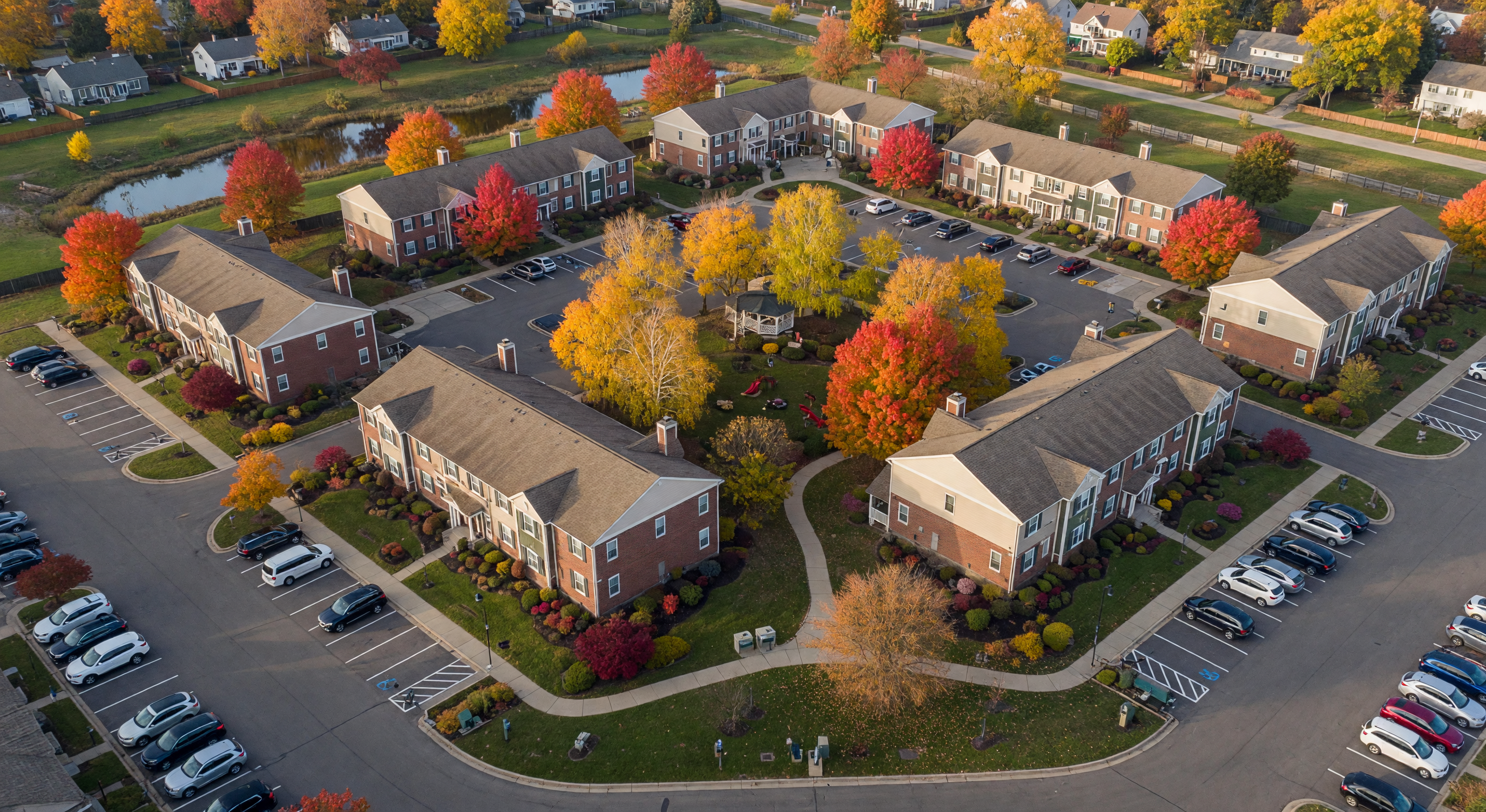
Aerial view of condominium community in suburban Michigan with autumn foliage
Condominiums

Your Complete Guide to Condo Ownership in Mid-Michigan

Condominiums offer an accessible path to homeownership with lower maintenance demands and community amenities. Whether you are buying your first condo, downsizing, investing, or selling, understanding the details of condo ownership makes all the difference.

Why Condos

Why Condos Make Sense for Many Buyers

A condominium is not a compromise. For the right buyer, it is a deliberate choice that offers financial accessibility, lifestyle freedom, and community living that single-family homes often cannot match.

First-Time Buyers

Condos are often the most accessible entry point into homeownership. Lower purchase prices compared to single-family homes, reduced exterior maintenance responsibilities, and amenity-rich communities make condos an ideal way to build equity while enjoying a simplified lifestyle. Many first-time buyers find that condo ownership builds financial confidence and real estate knowledge before moving to a larger property.

Downsizers

When children move out or a large home becomes more maintenance than enjoyment, condos offer a practical transition. No lawn care, no roof repairs, no snow removal. You can lock the door and travel without worry. Many downsizers discover that condo living actually expands their lifestyle, freeing up time and money for the things they enjoy most.

Investors

Condos can provide steady rental income, particularly in communities near employment centers, universities, or medical facilities. Lower acquisition costs mean a more accessible investment threshold. Some investors start with a condo as a rental property and later transition it into a personal residence, giving them flexibility as their plans evolve.

Relocating Professionals

When relocating to Mid-Michigan, a condo offers a low-commitment way to get established. You can learn the area, understand local markets, and build community connections before deciding whether to buy a larger property. Many relocating professionals find that condo living provides the comfort and stability they need during a transition period.


Couple reviewing condominium documents at a table with a real estate professional
Buyer's Checklist

What to Look For When Buying a Condo


A condo purchase involves evaluating the unit, the building, and the association. The details below go beyond surface-level features and address the financial and legal factors that directly affect your ownership experience and long-term value.

Total Monthly Cost

Your monthly housing cost is more than the mortgage. HOA fees, special assessments, property taxes, and insurance all contribute. Request a complete cost breakdown from the association and compare total monthly expenses, not just the purchase price. A condo with a lower price but higher HOA fees may cost more per month than a pricier unit with modest dues.

Reserve Fund Health

The reserve fund covers major repairs and replacements: roofs, elevators, siding, parking structures, and HVAC systems. An underfunded reserve means special assessments when major work is needed. Request the most recent reserve study and compare the funded percentage to the recommended minimum. A reserve fund below 70% funded warrants careful scrutiny.

Association Meeting Minutes

Meeting minutes reveal what is actually happening in the community. Look for discussions about pending litigation, planned capital projects, fee increases, rule changes, and resident complaints. A pattern of conflict or deferred maintenance in the minutes is a red flag that financial statements alone may not show.

Insurance Coverage

The association master policy covers the building structure and common areas. Your individual HO-6 policy covers the interior, personal property, and liability. Understand where the master policy ends and your coverage begins. Gaps between the two can leave you financially exposed. Request a copy of the master policy declarations page before closing.

Rental and Resale Restrictions

Some associations limit the number of units that can be rented at any given time, restrict short-term rentals, or require board approval for new owners. These rules affect both your lifestyle flexibility and your exit strategy. If you plan to rent the unit in the future, verify the current rental cap status before making an offer.

Pet Policies

Condo associations commonly restrict pet ownership by breed, weight, or number of animals. Some prohibit pets entirely. If you have a pet or plan to get one, confirm the pet policy in writing and check whether the restriction applies to the unit owner only or to all occupants including tenants.


HOA Considerations

Understanding HOA Costs, Governance, and Rules

The homeowners association is the backbone of every condominium community. Its financial health, governance quality, and rules directly affect your monthly costs, lifestyle flexibility, and property value.

What HOA Fees Cover

HOA fees typically cover exterior maintenance, landscaping, snow removal, common area upkeep, water and sewer, trash collection, and building insurance. Some communities include amenities like pools, fitness centers, and clubhouses. Understanding exactly what your dues include helps you evaluate whether you are paying for services you will actually use.

Special Assessments

When major repairs exceed the reserve fund, associations levy special assessments: one-time charges split among all unit owners. Assessments can range from a few hundred to several thousand dollars. Before buying, ask whether any assessments are pending, have been levied in the past five years, or are anticipated based on the reserve study.

Governance and Board Dynamics

The association board sets budgets, enforces rules, and manages the community. An active, transparent board with professional management tends to maintain property values and community standards. A board with high turnover, frequent disputes, or self-interested decision-making can create problems that affect every owner.

Governing Documents

The declaration of condominium, bylaws, and rules and regulations define what you can and cannot do with your property. These documents govern renovations, rental policies, pet rules, noise standards, parking, and use of common areas. Review them carefully before buying. Michigan law gives buyers a review period for these documents during which you can rescind the purchase without penalty.


Financing

How Condo Financing Differs from Single-Family Homes

Financing a condominium involves additional requirements that do not apply to single-family home purchases. Understanding these differences helps you prepare a stronger offer and avoid delays.

Project Approval

Condominium

Lenders require the entire condo project to be approved. FHA, VA, and Fannie Mae each maintain separate approval lists. If the project is not approved, financing options may be limited.

Single-Family Home

No project-level approval needed. The lender evaluates only the individual property and the borrower.

Owner-Occupancy Ratio

Condominium

Many lenders require a minimum percentage of owner-occupied units in the building, often 50% or higher. Buildings with too many investor-owned units may not qualify for conventional financing.

Single-Family Home

No occupancy ratio requirement for the surrounding neighborhood.

HOA Dues & Debt-to-Income

Condominium

Monthly HOA fees are factored into your debt-to-income ratio, which can reduce the mortgage amount you qualify for. A $350/month HOA fee can significantly impact your purchasing power.

Single-Family Home

No HOA fee impact on qualifying unless the property is in a planned development with mandatory assessments.

Insurance Requirements

Condominium

The association carries a master policy covering the building structure and common areas. Your individual policy (HO-6) covers the interior, personal property, and liability. Lenders verify the master policy meets minimum coverage requirements.

Single-Family Home

A single homeowner's policy (HO-3) covers the entire structure, personal property, and liability.

Reserve Fund & Special Assessments

Condominium

Lenders review the association's reserve study and financial health. Underfunded reserves or pending litigation can disqualify the project from certain loan programs.

Single-Family Home

No reserve fund considerations. Maintenance and repair costs are the sole responsibility of the homeowner.


Market Trends

Mid-Michigan Condo Market Snapshot

The Mid-Michigan condo market is shaped by rising costs, shifting inventory, and evolving buyer priorities. Here is what the data shows and what it means for buyers and sellers.

$125–$400

Monthly HOA Fees

Michigan statewide median HOA fee is approximately $125/month, with condo associations averaging higher depending on amenities, location, and building age.

Cooling

Market Conditions

Rising insurance premiums and HOA fee increases have created buyer-friendly conditions, with more units selling below list price and extended days on market.

Growing

Condo Inventory

Increased inventory compared to previous years gives buyers more choices, more time to evaluate communities, and greater negotiating leverage.

20–40%

Below Median SFH Price

Condos typically sell for significantly less than single-family homes in the same area, making them an accessible entry point for first-time buyers and investors.

What This Means for Buyers

Rising HOA fees and insurance premiums have put downward pressure on condo prices statewide, creating opportunities for prepared buyers who understand the total cost of ownership. Increased inventory means more choices and more room to negotiate.

In communities across Oakland, Livingston, and Genesee Counties, condos remain one of the most accessible ways to enter the Mid-Michigan market, particularly for first-time buyers, downsizers, and those seeking low-maintenance living. The key is understanding the full financial picture before making a commitment.

What This Means for Sellers

With growing inventory, standing out matters more than ever. Buyers are comparing your unit against more options and scrutinizing association financials more carefully than in previous years. Having association documents, reserve studies, and financial disclosures organized from day one gives your listing a competitive edge.

Strategic pricing based on recent comparable sales within your specific community, combined with strong marketing and a complete documentation package, is how I help sellers achieve the best possible outcome.


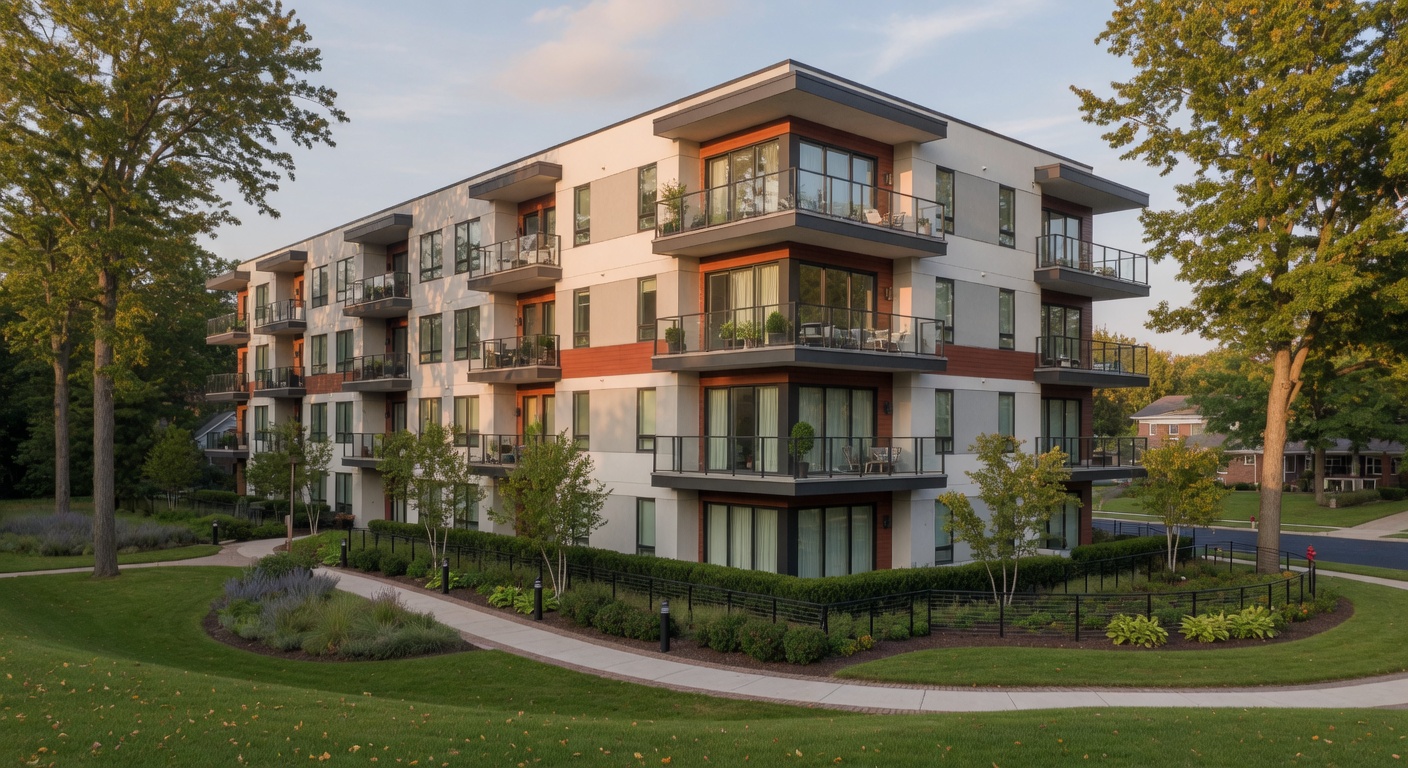
Modern condominium building exterior with contemporary architecture and landscaped grounds
For Sellers

Selling Your Condominium


Selling a condo requires more preparation than listing a single-family home. Association documents, board approval processes, and resale disclosures all need to be in order before your unit goes on the market. I handle these details so you can focus on your next move.

Pricing Strategy for Condos

Condo pricing requires careful comparison to recent sales within the same community, not just the surrounding neighborhood. Factors like floor level, view, upgrades, parking, and storage all influence value. I analyze comparable sales within your building and similar complexes to position your unit competitively.

Disclosure and Documentation

Selling a condo means providing prospective buyers with association documents, financial disclosures, and reserve studies. Having these organized and complete from the start prevents delays and builds buyer confidence. I prepare all required documentation so your listing presents a complete, professional package.

Navigating Association Rules

Some associations require board approval for transfers, charge resale fees, or impose specific notice periods before a sale can close. I coordinate with the association throughout the process so there are no surprises at closing.


Where I Work

Condo Markets Across Mid-Michigan

Condominium communities are found throughout the region. Here are the counties and communities where I help buyers and sellers with condo transactions.

Oakland County

  • Lake Orion
  • Clarkston
  • Holly
  • Bloomfield Hills
  • West Bloomfield
  • Oxford

Livingston County

  • Hartland
  • Brighton
  • Howell
  • Pinckney
  • Hamburg
  • Fenton

Genesee County

  • Grand Blanc
  • Fenton
  • Linden
  • Davison
  • Atlas Township
  • Burton

Surrounding Areas

  • Lapeer
  • Tuscola County
  • Shiawassee County
  • Saginaw County
  • Armada
  • Imlay City

Ready to Explore?

Let's Find the Right Condo for You

Whether you are purchasing your first condominium, downsizing to a low-maintenance community, investing in rental property, or selling a condo unit, I bring the knowledge, attention to detail, and market insight to guide you through a successful transaction.