
How Long Does It Take to Sell a Home in Mid-Michigan?
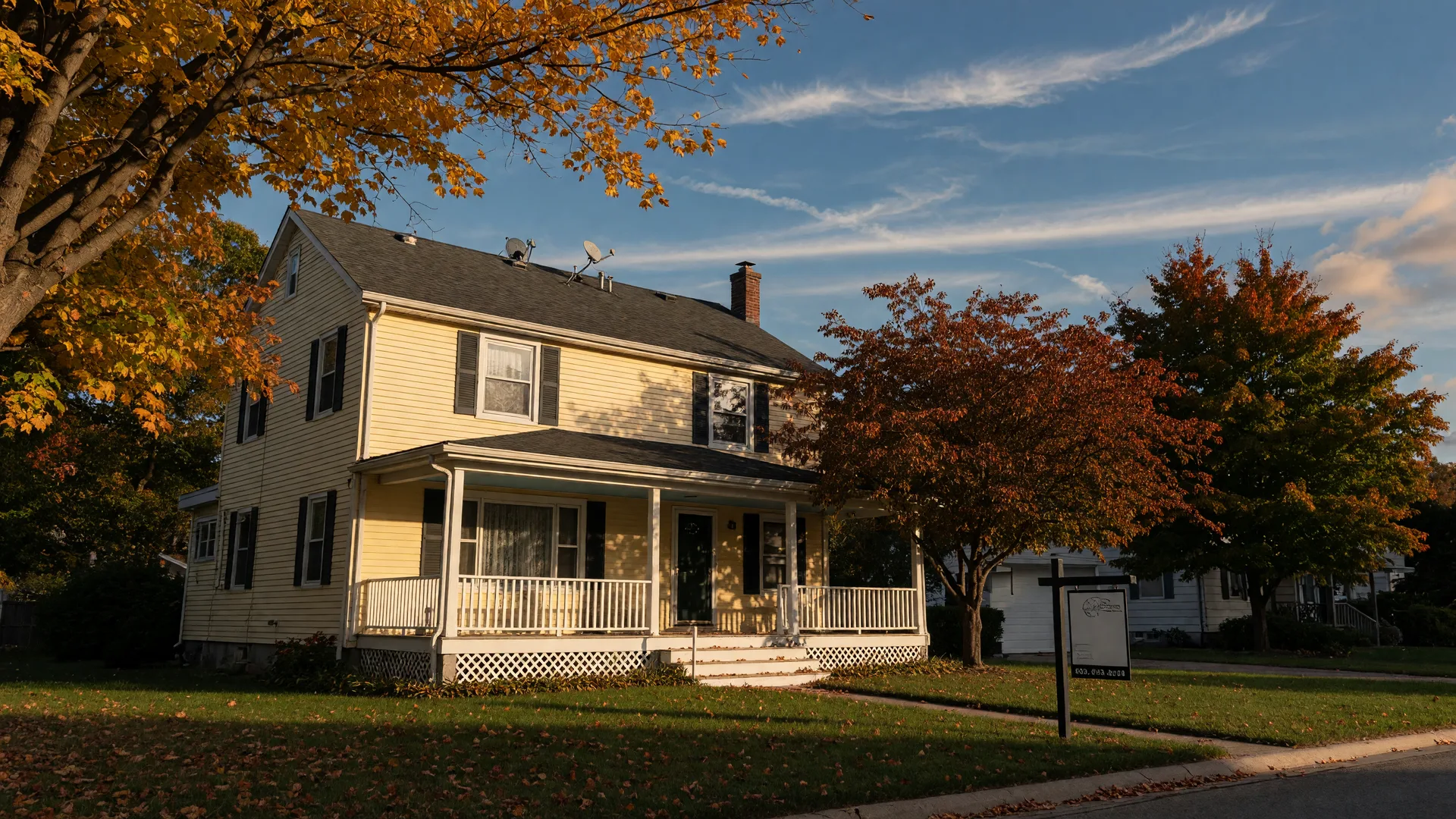
How long does it take to sell a home in Mid-Michigan? In most cases, plan on roughly two to three months from the day you decide to sell to the day you hand over the keys: about two to six weeks to get under contract after listing, then a 30 to 45 day closing period once an offer is accepted. In 2026, the median home in Michigan spent about 33 days on the market before going under contract, while Genesee County homes averaged about 46 days, and well-priced, well-presented listings in competitive pockets of Oakland and Livingston counties met buyers in as little as two to three weeks. And how does a local agent help buyers and sellers in Grand Blanc and nearby communities? The short answer: a local REALTOR shortens that timeline by pricing accurately, marketing strategically, and managing every step from first showing to final walkthrough, so the process stays on track. I am Joyce England, a licensed REALTOR® with Keller Williams First serving sellers across Genesee, Oakland, Livingston, Lapeer, Shiawassee, Saginaw, and Tuscola Counties, and this guide walks you through the real Mid-Michigan selling timeline, week by week.
The honest headline up front: the fastest way to sell is not the lowest price. It is the right price, a home that shows well, and a marketing plan that reaches the right buyers. Nationally tracked Michigan data shows homes currently sell at roughly 99.75% of their list price, which tells you buyers are still serious and well-priced homes are selling near asking. Pricing right, presenting well, and marketing with a plan are what keep your home from sitting while everything else takes care of itself.
Key Takeaways
- Most Mid-Michigan sellers can expect about 8 to 12 weeks from decision to closing: preparation, marketing and showings, an accepted offer, then a 30 to 45 day closing period.
- The 2026 Michigan median is about 33 days on market, and Genesee County's median was about 46 days, according to Redfin and Realtor.com data. Competitive pockets of Oakland and Livingston counties often see offers in two to three weeks.
- Closing usually happens 30 to 45 days after an accepted offer, with cash deals able to close in about two weeks and FHA or VA financing taking a little longer.
- Pricing, presentation, and marketing decide how fast your home sells, far more than the calendar. A well-priced, well-presented home sells weeks faster than an overpriced one in any season.
- A local agent keeps the timeline moving by pricing with market evidence, coordinating inspections and appraisals, managing buyer questions, and pushing every step of the transaction toward closing day.
How Long Does It Take to Sell a Home in Mid-Michigan? The Short Answer
If you want a simple planning number, use this one: most Mid-Michigan homeowners can expect roughly 60 to 90 days total, from the day they start preparing their home to sell to the day they close. The timetable breaks down like this:
- Preparation: 1 to 3 weeks. Decluttering, light repairs, professional photos, and a pre-listing strategy meeting before the home ever hits the market.
- Time on market: 2 to 6 weeks. Statewide, the median home in Michigan spent about 33 days listed before going under contract in 2026 data from Redfin. Genesee County's median was about 46 days, according to Realtor.com data published in spring 2026. Well-priced homes in the region's most active communities can attract an offer in the first two to three weekends.
- Closing period: 30 to 45 days. Once your offer is accepted, Michigan transactions typically close a month to six weeks later. Median data from Clever's 2026 analysis puts the full national listing-to-closing journey at roughly 52 days, with about 24 days on market plus 28 days to close after acceptance.
Every sale is different, of course. Cash buyers can close in about two weeks. Conventional loans commonly close in 21 to 30 days. FHA and VA financing, with their extra appraisal and underwriting steps, usually run closer to 45 days. And a home that needs repairs, faces tricky title issues, or is priced above market can stretch any of these windows.
Days on Market vs. Your Total Timeline: What the Numbers Really Mean
When you read about "days on market," remember that number only covers the time between your listing going live and an offer being accepted. It does not include the weeks of preparation before you list, and it ends before the real work of inspections, appraisal, financing, and closing begins. Two different homes can have the same days on market yet very different total timetables depending on how long their closing takes.
This distinction matters because it changes how you read the 2026 market. Michigan's statewide inventory has been running at roughly three months of supply, which is still below the five to six months that typically marks a balanced market. That means serious buyers are out there, and homes that are priced and presented well are still converting. Mortgage rates in the mid-6% range have kept some buyers cautious, but they have also kept competition strong among the buyers who are actually looking, especially in the heavily searched communities across Genesee, Oakland, and Livingston counties.
The Mid-Michigan Selling Timeline, Stage by Stage
Here is what a realistic sale looks like in Mid-Michigan, with the work, the typical timing, and the role a REALTOR plays at each stage.
Stage 1: Get the Home Market-Ready, 1 to 3 Weeks Before Listing
The week you list is not the week you start preparing. Sellers who take two or three weeks to declutter, handle small repairs, and stage key rooms consistently sell faster and for closer to asking price. Buyers photograph every room on their phones and compare your home against ten others online before they ever schedule a showing, so first impressions start weeks before the first visitor walks in.
You do not need a full remodel, but you do want the obvious things handled: fresh paint where walls are scuffed, clean carpets, tidy closets, and a lived-in home that photographs warmly. For the step-by-step preparation work, my home preparation guide and staging guide cover what matters most, and practical home care and curb-side prep articles live on MidMichiganLiving.com.
Stage 2: The Listing Goes Live, Week 1
Launch day matters. Professional photography, an accurate and detailed listing description, and syndication across the MLS, real estate portals, and social platforms all happen at once, so your home makes its best impression on day one. In my practice, each listing also gets an AI-assisted marketing review: search-ready copy, accurate data, and consistent messaging across every platform where buyers will find the home. The days immediately after a listing goes live bring the highest share of buyer views, and a strong launch tends to produce showings within the first week.
Stage 3: Showings and Offers, Weeks 1 to 6
Once the home is live, the timeline moves at the speed of buyer interest. Realcomp and MiRealSource data commonly show Michigan homes going under contract 15 to 30 days after listing. In 2026, buyers in parts of Oakland County averaged around 11 days to a pending offer, and Livingston County homes often found buyers in two to three weeks, according to Redfin data. In Genesee County, where the 2026 median was about 46 days, well-priced homes near market value routinely beat that average.
Your agent's job during this window is constant feedback and adjustment: responding to every showing request quickly, gathering buyer feedback after each visit, and tracking market response so the strategy can adapt. If showings are strong but offers are slow, the message is often pricing. If traffic is light entirely, the marketing message or the listing itself may need attention. A responsive agent keeps your home from the slow slide where it quietly becomes yesterday's listing.
Stage 4: Under Contract, 30 to 45 Days to Closing
The accepted offer is a milestone, not the finish line. Michigan's standard purchase agreement sets the pace: the buyer typically schedules an inspection within days, your agent coordinates disclosures and seller responses, and the lender orders the appraisal. For conventional financing, that entire dance commonly runs 21 to 30 days. FHA, VA, and USDA loans add steps, and plan on up to 45 days for those closings.
- Inspection: Usually scheduled in the first week after acceptance. Buyers can request repairs, credits, or simply information, and your agent negotiates the response with clear priorities.
- Appraisal: Ordered by the buyer's lender after the contract is signed. If the appraisal comes in below the offer price, the negotiation shifts, and my guide to appraisal shortfalls walks through the options.
- Title and underwriting: The title company verifies the chain of ownership and clears any clouds on title while the lender finishes underwriting. Most Michigan-based title and closing work is straightforward for homes with clean titles.
- Final walkthrough and closing: The buyer confirms the home is in the agreed condition, then both sides sign at the closing table. The full Michigan closing process is covered in my closing-day guide, and my transfer tax and closing cost breakdown explains the seller's side of the ledger.
Stage 5: Closing Day, Week 6 to 9
At closing, the deed transfers, the purchase price settles, and you receive your net proceeds, usually by wire transfer the same day. A typical Michigan closing appointment runs an hour or two, and the paperwork is handled by the closing agent with your REALTOR there to walk you through anything unfamiliar. After closing, keys go to the buyer and the sale is complete.
What Makes a Home Sell Faster in Mid-Michigan?
The market data tells a consistent story: the homes that sell quickly are the ones priced with evidence, presented well, and marketed to the right people. Here is what moves the needle, in order of impact.
1. Price It Right From Day One
Pricing is the single biggest factor in how fast a home sells. A home priced slightly above market does not just sell slowly; it gets stamped with an invisible mark every week it sits, because buyers compare your price to the homes that have already sold. The research is clear that a correctly priced home in a competitive submarket can go under contract almost immediately, while an overpriced one keeps collecting days on market. My pricing strategy guide and smart pricing guide for 2026 explain the trade-offs, and every listing I take starts with a comparative market analysis you can review for yourself at any time.
2. Present the Home Like It Deserves to Sell
Professional photography, tidy staging, and a clean first impression shorten the timeline. Buyers in 2026 start their decision online, and the homes they actually tour are the ones that photographed well. Presentation also affects price: homes shown at their best attract the strongest offers, which gives you negotiating room. If you are unsure where to start, my preparation guide walks through the whole sequence.
3. Market to the Right Buyers, Not Just Everyone
Listing syndication gets your home on the portals. Marketing gets it in front of the right people. In my practice, that means search-ready listing copy, accurate local content, social sharing, and AI-assisted research into what buyers in each price range and community are actually looking for. Homes marketed with intention attract qualified showings faster, which converts to offers sooner. My AI-powered market intelligence guide shows how this works in practice.
4. Work With a Local Agent Who Stays Personally Involved
Here is where the local agent question comes back around. A local REALTOR does far more than list your home: they price with current sold data for your neighborhood, coordinate the marketing launch, manage showings and feedback, negotiate offers with an eye on net proceeds, and keep inspections, appraisal, and closing moving on schedule. I have spent more than 20 years in real estate, licensed since 2014 with Keller Williams First, and I stay personally involved from the first pricing conversation to the day you hand over the keys. That consistency is what keeps a sale on its timeline.
Does the Season Matter for Mid-Michigan Sellers?
Spring and early summer historically bring the highest buyer activity, which is why many sellers target those months. But season matters far less than pricing and presentation, and Mid-Michigan homes sell year-round. Fall and winter listings face less competition, and buyers who are searching in colder months tend to be serious and ready to act. My mid-Michigan spring selling guide and seasonal price swing guide break down the timing trade-offs so you can choose the window that works for your situation rather than waiting months for an idealized calendar.
Voice Search Q&A: Quick Answers to Common Questions
Quick Answers to Questions Sellers Are Asking Out Loud
How long does it take to sell a house in Michigan?
Most homes go under contract within two to six weeks of listing, then close 30 to 45 days later. Michigan's 2026 median was about 33 days on market, with the full listing-to-closing journey averaging around 52 days.
How long does a home stay on the market in Genesee County?
Genesee County's median was about 46 days in 2026, down from a year earlier. Well-priced, well-presented homes near market value commonly beat that average.
How long after an accepted offer does closing happen in Michigan?
Usually 30 to 45 days. Cash deals can close in about two weeks, conventional loans in 21 to 30 days, and FHA or VA loans often take closer to 45 days.
What makes a home sell faster in Mid-Michigan?
Pricing with current sold data, presenting the home professionally, and marketing to the right buyers. Correctly priced homes sell weeks faster than overpriced ones, in any season.
How does a local agent help sellers in Grand Blanc and nearby communities?
A local agent prices with neighborhood evidence, coordinates marketing and showings, negotiates offers, and manages inspections, appraisal, and closing so the sale stays on schedule. Joyce England of Keller Williams First serves Genesee, Oakland, Livingston, and nearby counties.
How a Local Agent Helps Buyers and Sellers at Every Stage
The question I hear most often from homeowners is the one this guide started with: how does a local agent actually help buyers and sellers in Grand Blanc and nearby communities? The answer is that an agent's value shows up in every stage of the timeline, and it compounds as the transaction gets more complicated.
Before the listing, a local agent brings the current sold data that sets a realistic price, something an online estimate cannot replicate because it does not know your block, your updates, or the condition of the home next door. During the marketing phase, the agent manages the launch so your home is seen by the right buyers at the right time. When offers arrive, the agent compares them on net proceeds, financing strength, and contingency risk, not just price. And from acceptance to closing, the agent coordinates the schedule so inspections, appraisal, title work, and underwriting do not drift into delays.
For buyers, the same local knowledge works in reverse: knowing what homes actually sell for in each community, which listings are priced realistically, and how to structure an offer that wins without overpaying. That is the relationship-based part of real estate that technology supports but never replaces, and it is why my clients consistently tell me they felt guided rather than processed. You can hear that directly from clients on my testimonials page.
Serving every qualified buyer and seller matters to me, and fair housing is the foundation of that commitment. Every client receives the same professional service regardless of race, color, religion, sex, national origin, familial status, disability, or any other protected characteristic. My job is to help you sell smart and move with confidence, not to steer or exclude anyone.
Frequently Asked Questions
Here are the questions Mid-Michigan sellers ask most often, answered in plain language.
How long does it take to sell a home in Mid-Michigan?
Most Mid-Michigan homes go under contract within two to six weeks of listing, then close 30 to 45 days later. The 2026 Michigan median was about 33 days on market, with Genesee County around 46 days and well-priced homes often faster.
How does a local agent help buyers and sellers in Grand Blanc and nearby communities?
A local agent brings current pricing data, professional marketing, and hands-on transaction management. Joyce England of Keller Williams First, licensed since 2014 and serving all seven Mid-Michigan counties, stays personally involved from first pricing conversation to closing day.
What is the fastest way to sell a home in Michigan?
Price it with current sold data, present it professionally, and market it to the right buyers. Correctly priced homes sell weeks faster. Cash and conventional offers also tend to close more quickly than FHA or VA financing.
Do I have to wait for spring to sell my Mid-Michigan home?
No. Well-priced, well-presented homes attract serious buyers year-round. Fall and winter listings face less competition, and buyers searching in colder months are typically ready to act.
What happens after my home goes under contract?
Your buyer completes inspections, appraisal, and financing, and your agent coordinates title, disclosures, and timelines. In Michigan, most transactions close 30 to 45 days after the accepted offer, and you receive net proceeds at closing.
Ready to Plan Your Mid-Michigan Sale?
The fastest way to understand your personal timeline is to get an honest, data-backed picture of your home's position in today's market. Start with a free home valuation, which combines comparable sales, local MLS data, and current buyer demand for your exact address. Then grab my 14-Step Home Selling Process Checklist, a plain-English download that walks you through every stage of the sale.
When you are ready to talk, I am here. Call me at 810-513-3335, book a consultation at a time that works for you, or reach out through my contact page. My office hours are Monday through Friday, 9:00 a.m. to 5:00 p.m., with appointments available outside those hours. Together we will build a plan that gets your home sold on your timeline.
Topics
Related Reading
- How to Prepare Your Home for Sale in Mid-Michigan
- Home Pricing Strategy: Should You Price Low or At Market?
- Smart Pricing Strategies for Mid-Michigan Sellers in 2026
- How to Evaluate Multiple Offers on Your Mid-Michigan Home
- What to Expect at Closing: A Step-by-Step Guide
- Seasonal Home Price Swings: A Michigan Seller's Guide
- Why Local Market Knowledge Matters in Real Estate
- 14-Step Home Selling Process Checklist
- What Is My Home Worth? Get a Free Market Analysis
- Mid-Michigan Communities I Serve
- About Joyce England, REALTOR®

Keller Williams First · Licensed since 2014 · 20+ years of real estate industry experience · 810-513-3335
Selling Smart in Mid-Michigan
Let Us Map Out Your Selling Timeline Together
Get an honest, data-backed picture of what your home is worth and how fast it can sell, then follow a proven plan from listing to closing.
Book a Seller ConsultationOr call 810-513-3335