Michigan's Transfer Tax and Closing Cost Breakdown
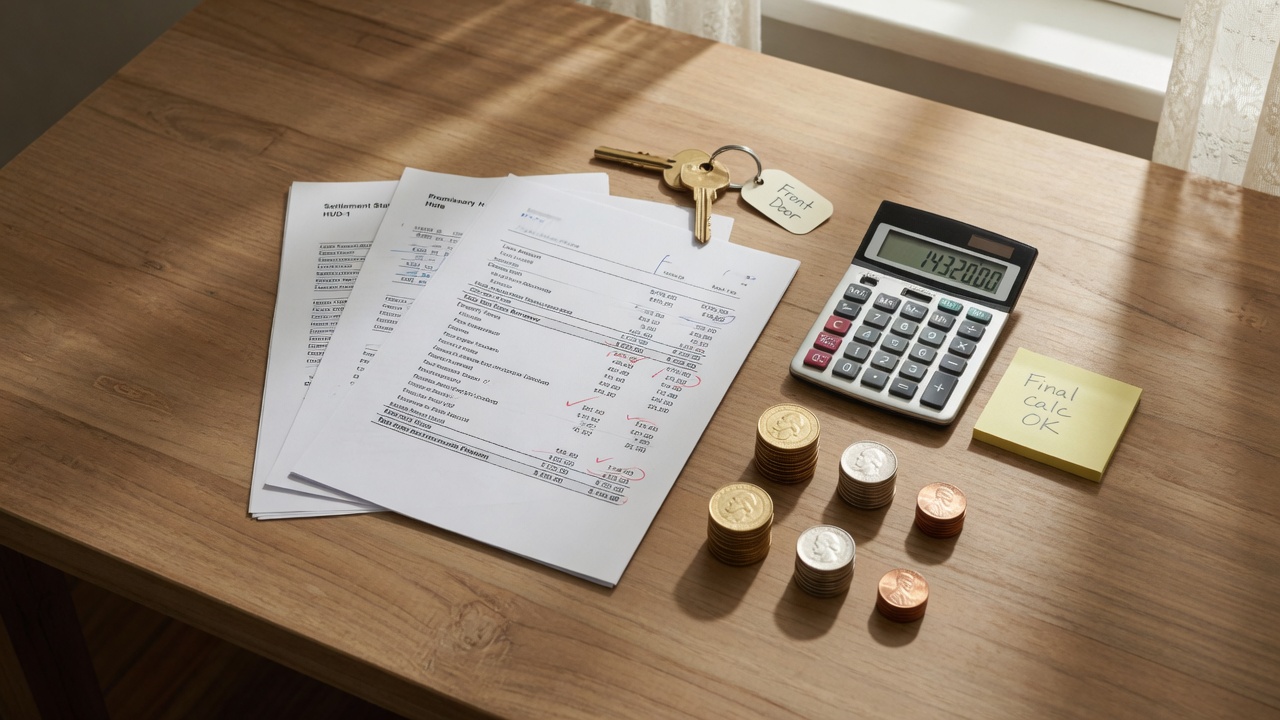
One of the questions I hear most often from both buyers and sellers is, "What's this actually going to cost me?" And it's a fair question — real estate transactions involve more line items than most people realize. Between transfer taxes, title insurance, lender fees, prorated taxes, and escrow deposits, the numbers on a closing disclosure can feel overwhelming if you haven't seen them before.
After walking hundreds of clients through closings in my 20+ years in real estate, I've learned that the best way to reduce anxiety around closing costs is to explain them upfront. When you understand what each fee covers and roughly how much to expect, there are no surprises — just a smooth path to the finish line. Here's a practical breakdown of what buyers and sellers typically pay at closing in Michigan.
What Is a Real Estate Transfer Tax?
A transfer tax is a government fee assessed when real property changes hands. Michigan is one of many states that levies both a state-level transfer tax and a county-level transfer tax on most real estate transactions. These taxes are separate from your lender fees, title costs, and other closing expenses — they go directly to the state and county governments.
In Michigan, the transfer tax is calculated based on the sale price of the property and is typically paid by the seller, though the purchase agreement can specify otherwise. Here's how the rates break down:
State Transfer Tax
The Michigan state real estate transfer tax is $3.75 per $500 of the property's sale price, or fraction thereof. On a $200,000 home, that works out to $1,500. On a $350,000 home, it's $2,625. The state tax applies to virtually all property transfers, with limited exceptions for certain family transfers, governmental conveyances, and transfers under court order.
One important note: the state transfer tax applies to the total consideration paid, including any personal property included in the sale. If you're purchasing a home with appliances, furniture, or other personal property bundled into the price, the transfer tax is calculated on the full amount.
County Transfer Tax
In addition to the state tax, most Michigan counties assess a local transfer tax of $0.55 per $500 of the sale price. In Genesee County, Oakland County, Livingston County, Lapeer County, and most of the counties I serve, this additional rate applies. On a $200,000 home, the county transfer tax adds $220. On a $350,000 home, it's $385.
Counties with a population over 2 million are authorized to charge up to $0.75 per $500, but that doesn't apply to any of the Mid-Michigan counties I work in. So for most of my clients, the total transfer tax is the combined state and county rate: roughly $4.30 per $500 of the sale price.
For a quick reference, here's what the combined transfer tax looks like at common price points in our market:
- $150,000 home: ~$1,290 in total transfer tax
- $200,000 home: ~$1,720 in total transfer tax
- $250,000 home: ~$2,150 in total transfer tax
- $300,000 home: ~$2,580 in total transfer tax
- $400,000 home: ~$3,440 in total transfer tax
Title Insurance
Title insurance protects both the buyer and the lender against losses from defects in the title — things like undiscovered liens, errors in public records, forgery, or competing ownership claims. In Michigan, there are two types of title insurance policies involved in a typical transaction:
- Lender's title insurance (also called a loan policy) — This is required by your mortgage lender and protects their interest in the property. The cost is typically paid by the buyer and varies based on the loan amount, but for most residential transactions, it ranges from about $400 to $1,000.
- Owner's title insurance — This protects the buyer's equity in the home and is optional in Michigan, though I always recommend it. An owner's policy costs roughly $1,000 to $2,500 depending on the purchase price and provides coverage for as long as you or your heirs own the property. In some transactions, the seller pays for the owner's policy — this varies by local custom and can be negotiated.
The title company also charges a settlement or closing fee for conducting the closing and handling the document preparation, typically ranging from $400 to $800. This fee may be split between buyer and seller.
Lender Fees and Mortgage Costs
If you're financing your purchase, your lender will charge a set of fees that appear on your closing disclosure. These vary by lender, but here are the most common categories:
- Origination fee: Some lenders charge a flat fee or a percentage of the loan amount (typically 0.5% to 1%) for processing your mortgage. Others offer no-origination-fee loans but may offset the cost with a slightly higher interest rate.
- Application and processing fees: These cover the administrative work of underwriting your loan and may range from $300 to $700, though not all lenders charge them separately.
- Appraisal fee: Required by the lender to verify the property's value. In Michigan, a residential appraisal typically costs $350 to $600, depending on the property type and complexity.
- Credit report fee: Usually $25 to $50, covering the cost of pulling your credit history.
- Flood certification: A small fee (often $15 to $25) to determine whether the property is in a flood zone.
- Prepaid interest: Your lender will require you to prepay a certain number of days of interest on your loan between closing and the end of the month. For example, if you close on June 20 and your first mortgage payment is due August 1, you'll prepaid 10 days of June interest at closing.
- Escrow reserves: Most lenders require you to fund an escrow account at closing for future property taxes and homeowner's insurance. This might be two to three months' worth of taxes and insurance premiums, which can add $500 to $2,000+ to your closing costs depending on the property.
Buyer's Closing Costs: What to Budget
For buyers financing a home in Mid-Michigan, total closing costs — excluding the down payment — typically range from 2% to 5% of the purchase price. On a $200,000 home, that's roughly $4,000 to $10,000. On a $300,000 home, expect $6,000 to $15,000.
Here's a summary of what buyers typically pay:
- Lender fees (origination, processing, underwriting): $500 – $2,000
- Appraisal: $350 – $600
- Title insurance (lender's policy + owner's policy): $1,400 – $3,500
- Title/settlement fees: $400 – $800
- Recording fees: $25 – $75
- Prepaid interest and escrow reserves: $500 – $2,000+
- Home inspection (paid before closing): $300 – $500
- Homeowner's insurance (first year premium, often due before closing): $800 – $1,500
Some of these costs — like the home inspection and insurance premium — are paid before closing day, but they're part of the total cash you need to budget. I always tell my buyers: in addition to your down payment, have a separate closing cost fund ready so you're not scrambling at the last minute.
Seller's Closing Costs: What to Expect
Sellers in Michigan typically pay between 4% and 5% of the sale price in closing costs, not including real estate agent commissions. That percentage includes transfer taxes, title fees, and any outstanding liens or prorated taxes. Here's the typical breakdown:
- Real estate transfer tax (state + county): ~0.86% of sale price
- Title insurance (owner's policy, if seller pays): Varies, often $1,000 – $2,500
- Title/settlement fee: $400 – $800 (often split with buyer)
- Prorated property taxes: Michigan property taxes are paid in arrears, so sellers owe a prorated share through the date of closing. This can be a significant line item.
- Outstanding liens or judgments: Any mortgages, HOA liens, or municipal charges must be paid off at closing.
- Repair credits or concessions: If the purchase agreement includes any seller concessions or repair credits negotiated during inspection, those are deducted from the seller's proceeds.
And of course, the biggest seller expense is the real estate commission, which is negotiated as part of the listing agreement and paid at closing. Commission structures vary, so I walk my seller clients through the exact numbers during our listing consultation so there are no surprises.
Property Tax Prorations: Michigan's Unique Twist
Michigan property taxes are paid in arrears — meaning the taxes you pay in the current year cover the previous year's liability. This creates a proration at closing where each party pays their fair share. The exact calculation depends on the closing date and the property's tax bill. This is one of the line items that confuses people the most, so I always review the proration with my clients before closing day. For a deeper dive into how Michigan property taxes work, see my Michigan property taxes guide.
Can Negotiations Affect Who Pays What?
Yes. While there are standard customs in Michigan — sellers typically pay the transfer tax and owner's title insurance, buyers pay the lender's title insurance and most lender fees — almost everything in a real estate transaction is negotiable. In a competitive market, buyers may offer to cover certain seller costs to make their offer more attractive. In a buyer's market, sellers may agree to pay more of the buyer's closing costs as an incentive.
The purchase agreement will specify exactly who pays for what. This is one of the most important sections to review carefully, and it's one of the areas where having an experienced agent who understands local customs makes a real difference.
What About Cash Buyers?
If you're paying cash, you won't have lender fees, escrow reserves, or prepaid interest — which significantly reduces your closing costs. Cash buyers still need to pay for title insurance (at least the owner's policy), transfer taxes, recording fees, and prorated taxes. The total for a cash transaction is often under 2% of the purchase price.
Planning Ahead: Why It Matters
The biggest mistake I see buyers make is underestimating their closing costs and not setting aside enough cash. The biggest mistake I see sellers make is not understanding what will be deducted from their proceeds. Either way, the fix is the same: plan early, ask questions, and review your numbers before closing day arrives.
If you're preparing to sell your home or buy your first home in Mid-Michigan, I'd be happy to walk you through a detailed cost estimate tailored to your specific situation. Every transaction is different, and I believe you deserve to know exactly where your money is going.
A Note on Closing-Cost Details
Please verify your closing-cost responsibilities and the transfer-tax rules that apply to your transaction with your lender, title company, and closing attorney. Each sale has its own numbers, and these professionals can confirm exactly what applies to yours.
I am a licensed REALTOR® with Keller Williams First, not an attorney, lender, or title professional. I can help you anticipate typical closing costs and plan your budget, and I am happy to offer expert real estate advice on buying or selling a home in Mid-Michigan.
Schedule a consultation, reach out at 810-513-3335, or visit my contact page. Let's make sure you walk into closing feeling informed, prepared, and confident.

Keller Williams First · 810-513-3335 · Schedule a consultation