What Buyers Get Wrong About Open Houses
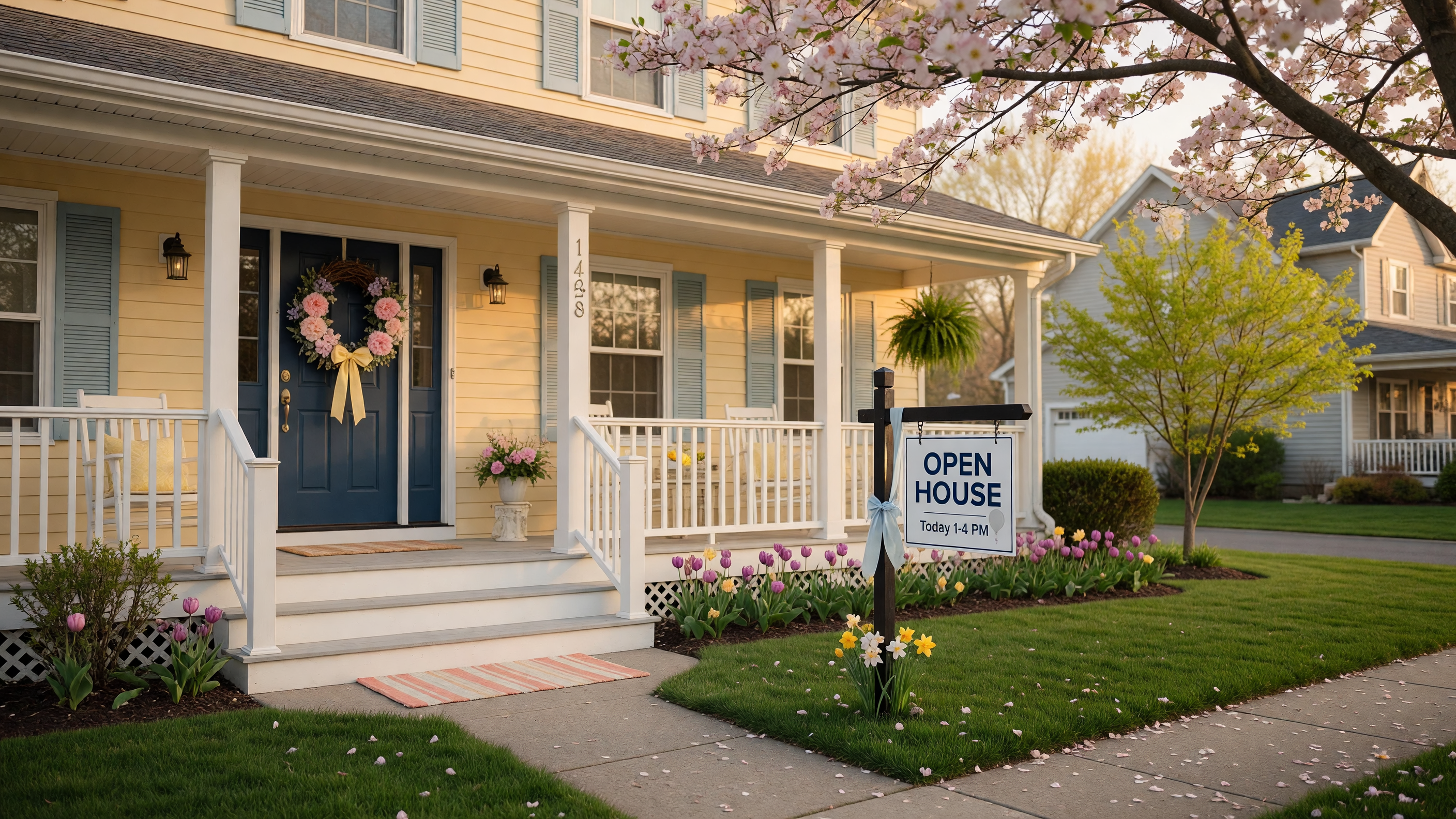
Open houses are one of the most visible — and most misunderstood — parts of the real estate process. Buyers walk through doors expecting to find their dream home or uncover hidden problems. Sellers clean every surface hoping for an offer by Monday. And somewhere in the middle, the real purpose of an open house gets lost. After more than 20 years in real estate, I've seen firsthand what works, what doesn't, and what buyers consistently get wrong.
What Open Houses Are Actually For
Here's the truth most buyers don't realize: an open house is not primarily designed as your personal house-hunting expedition. It is a marketing event. Its purpose is to create visibility and generate interest in a property at the early stages of a listing. Think of it as a showing — but one that's open to the public simultaneously.
For sellers, the open house serves several important functions. It creates urgency when multiple buyers see the home on the same day. It offers the listing agent feedback on how the market is responding to the price, condition, and presentation. And in a competitive market like Mid-Michigan, where well-priced homes can attract significant interest quickly, a well-run open house can generate the momentum that leads to multiple offers.
But here's what it's not: a guarantee. An open house doesn't sell a home on its own. It is one tool in a broader marketing strategy that includes professional photography, targeted digital marketing, broker open events, and individual showings. If you're buying and think you'll find a hidden gem at an open house that no one else noticed — you probably won't. The serious competition is likely already in the room.
What Sellers Should Know Before Hosting
If you're a seller preparing for an open house, the preparation matters far more than most people realize. An open house isn't just a chance for people to walk through — it's your home's audition. First impressions are formed in the first 30 seconds, and a buyer who walks in cold through an open house door has no emotional investment yet. They're comparing your home to every other home they've seen that weekend.
Here's what I recommend to every seller before an open house:
- Declutter ruthlessly. Remove personal items, excess furniture, and anything that makes rooms feel smaller. Buyers need to imagine their own life in the space — not yours.
- Address odors and lighting. Open every blind and turn on every light. If you have pets, ensure there's no trace of odor. These are the invisible killers of a first impression.
- Fix the small things. That leaky faucet, the door that sticks, the outlet cover that's missing — these small details create the impression that the home hasn't been maintained.
- Leave during the open house. Buyers feel uncomfortable exploring freely when the owner is hovering. Let your agent handle the event so visitors feel at home.
A properly staged home photographs better, shows better, and sells faster. If you want to learn more about getting your home ready, I wrote a detailed guide on preparing your home for sale from a Mid-Michigan perspective.
What Buyers Should and Shouldn't Do
If you're attending an open house as a buyer, here's how to make the most of the experience without making the mistakes I see every weekend:
Do bring your agent — or have one lined up. The listing agent at an open house works for the seller. If you walk in unrepresented, the agent inside has no obligation to protect your interests. If you don't have an agent, call one before you walk through the door. A quick text to your buyer's agent before entering an open house can save you from making a critical mistake.
Do take notes and photos (with permission). After you've seen five homes in one Saturday, they start to blur together. Take photos of the things that matter — room dimensions, the condition of mechanicals, the backyard — and jot down your first impressions while they're fresh.
Do pay attention to the neighborhood. Drive the streets before or after the open house. Check the condition of neighboring homes, the traffic on nearby roads, and the general feel of the area. The house might be perfect, but the location has to work too. My neighborhood guide can help you understand what to look for across Mid-Michigan communities.
Don't make an offer at the open house. I know this sounds counterintuitive, but emotions run high in open house settings. You might feel urgency seeing other buyers looking around. But the offer process deserves careful thought, review of disclosures, comparable analysis, and professional guidance. Never rush into an offer because you felt pressured.
Don't critique the home in front of the listing agent. If you notice issues, keep them to yourself until you're outside. Everything you say in front of the listing agent can be communicated back to the seller — and could affect negotiations later.
Don't assume the home is available just because no one else is there. Open houses often happen after the listing has already received serious interest. The absence of a crowd doesn't mean you've found an overlooked deal.
The Role of Open Houses in a Broader Marketing Strategy
From a seller's perspective, the most effective listings use open houses as one piece of a comprehensive strategy. Before the open house ever happens, your home should already be marketed through:
- Professional photography and virtual tours. In today's market, buyers begin their search online. If your photos don't stop them mid-scroll, they'll never walk through your door.
- Targeted digital marketing. Strategic social media campaigns, MLS syndication, and email outreach to the agent network ensure maximum exposure.
- Broker preview events. Before the public open house, a broker preview invites other agents to see the home firsthand. This builds awareness among the professionals who have ready buyers.
- The open house itself. Timed strategically — often the first weekend on market — the open house creates a sense of event and urgency that isolated showings can't match.
As I've discussed in my article on the role of technology in modern real estate, today's marketing toolkit is far more sophisticated than it was even a few years ago. Open houses still matter, but they're most effective when they're part of a deliberate, multi-channel approach.
The Feedback Loop: Why Open Houses Help Sellers
One of the most valuable — and overlooked — benefits of an open house is the feedback it generates. After an open house, I debrief with my sellers on what visitors said, how they reacted to the home, and what objections or concerns surfaced. This real-time market intelligence helps us adjust strategy if needed — whether that's a pricing tweak, a staging change, or simply staying the course with confidence.
I've had situations where open house feedback revealed that buyers loved the home but were concerned about a specific issue — outdated mechanicals, a busy road, or a price point that felt just slightly above comparable sales. That feedback gave us the information we needed to address concerns proactively, whether through a pre-inspection, a repair, or a strategic price adjustment.
When an Open House Isn't the Right Move
Not every listing benefits from an open house. In some cases, a property's price point, location, or buyer profile makes private showings more effective. Luxury properties, for example, often attract a more discreet buyer pool that prefers scheduled, one-on-one viewings. Similarly, in a seller's market where homes are receiving multiple offers within days, an open house may be unnecessary.
A good agent will evaluate whether an open house makes sense for your specific situation rather than applying a one-size-fits-all approach. That kind of strategic thinking comes from experience — something I bring to every listing after more than 20 years in the industry.
Bottom Line
Open houses are a valuable tool, but they're not magic. For buyers, they're an opportunity to explore a home in a low-pressure setting — but they shouldn't replace careful due diligence, professional representation, and thoughtful decision-making. For sellers, they're a key piece of a smart marketing strategy when timed and executed correctly.
Whether you're buying or selling in Mid-Michigan, I'd love to help you navigate the process with clear expectations and a strategy that fits your goals. Schedule a consultation or call me at 810-513-3335.

Keller Williams First · 810-513-3335 · Schedule a consultation