Selling Your Home During a Divorce in Michigan: What the Law Says
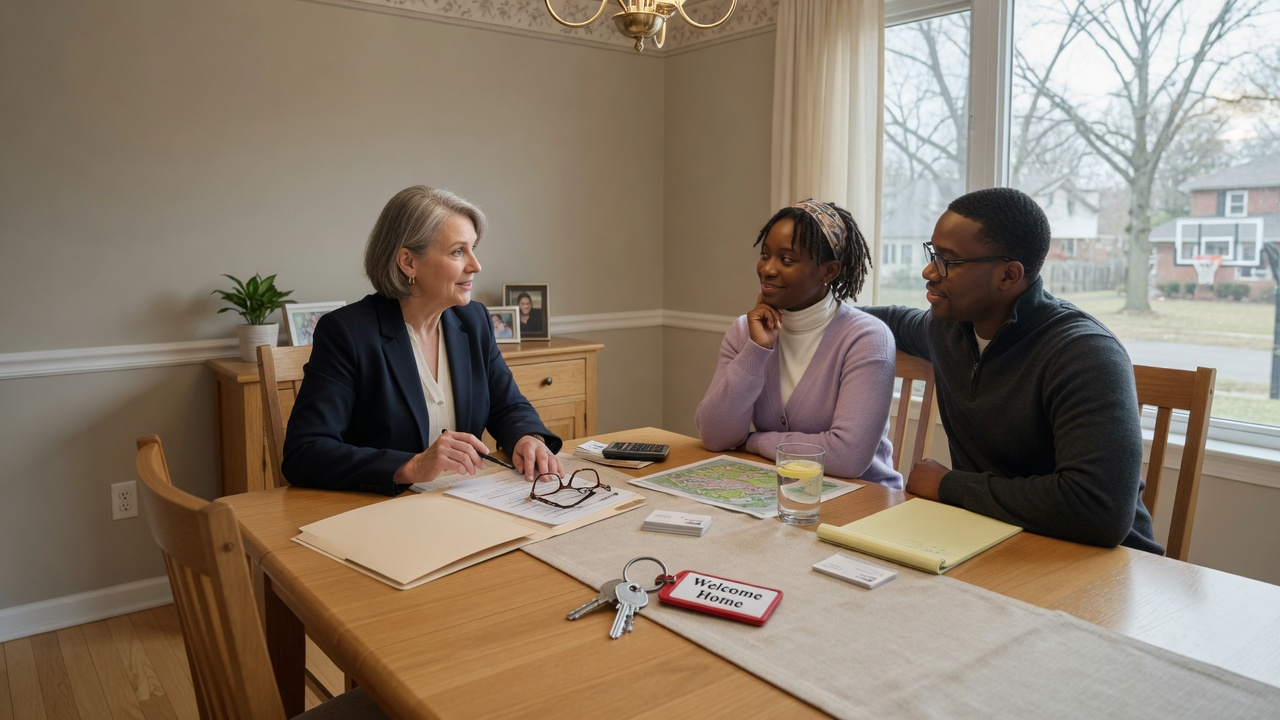
Divorce is one of life's most difficult transitions, and when a shared home is involved, it adds a layer of complexity that can feel overwhelming. Whether you and your spouse bought the home together, one of you owned it before the marriage, or you've built significant equity over the years, the decision about what to do with the property is both financial and emotional. If you're facing this situation in Michigan, understanding how the law handles marital property — and specifically the marital home — can help you approach the process with clarity and protect both parties' interests.
Important note: This article provides general educational information about Michigan real estate law as it relates to divorce. It is not legal advice. Every divorce situation is unique, and I strongly recommend consulting with a qualified Michigan family law attorney for guidance specific to your circumstances.
Michigan Is an Equitable Distribution State
Michigan follows the principle of equitable distribution when dividing marital property during divorce. Under Michigan Compiled Laws (MCL 552.19 and MCL 552.401), the court is required to divide marital property in a manner that is fair — but not necessarily equal — based on the specific circumstances of the case.
This is an important distinction. Unlike "community property" states where assets are split 50/50 by default, Michigan courts consider factors such as:
- The length of the marriage
- Each spouse's contributions to the marital estate, including homemaking and child-rearing
- Each spouse's earning capacity and financial situation
- The nature and extent of the property
- The general circumstances of each party
- Whether either party dissipated (wasted) marital assets
The marital home is almost always the largest asset in the marital estate, which means it receives significant attention during property division. The court may award the home to one spouse, order it sold with proceeds divided, or approve a buyout arrangement — depending on what the court determines is equitable.
Jointly Owned Homes: Both Spouses Have Rights
If both spouses are on the deed — which is common for homes purchased during the marriage — neither spouse can sell the property without the other's consent. This is true even if only one spouse is on the mortgage. In Michigan, both owners must sign the deed at closing for a valid transfer.
This means that if one spouse wants to sell and the other refuses, the sale cannot proceed unilaterally. The refusing spouse's ownership rights are legally protected, and any attempt to bypass those rights creates legal liability. If you find yourself in this situation, there are several paths forward:
- Negotiate a buyout. One spouse buys out the other's interest in the home, often using equity from the property or other marital assets as consideration. A professional appraisal establishes fair market value, and the buyout price reflects each party's share.
- Agree to a deferred sale. If minor children are involved, some couples agree to delay the sale until a specific date (such as when the youngest child finishes high school) to minimize disruption. One spouse remains in the home and assumes responsibility for expenses during the deferral period.
- Request a court-ordered sale. If no agreement can be reached, either spouse can petition the court to order the sale of the property as part of the divorce proceedings. The court has broad authority under Michigan law to order the sale of marital property when it determines the sale is appropriate.
Court-Ordered Sales: When the Court Steps In
When spouses cannot agree on the disposition of the marital home, Michigan courts have the statutory authority to order a sale. Under MCL 552.401, the court may decree a sale of jointly owned property and direct how the proceeds are to be divided. The court may also appoint a referee or trustee to manage the sale process if necessary.
A court-ordered sale is not ideal for either party — it removes control from the spouses and places it in the hands of the court and its appointed representatives. The timeline is often longer, and the final sale price may not reflect what either party could have achieved through a cooperative process. That said, it serves as an important backstop when negotiation fails.
If you're facing the possibility of a court-ordered sale, working with a REALTOR® who understands the process can help ensure the property is marketed effectively and the sale proceeds as smoothly as possible within the court's requirements.
Partition Actions: A Separate Legal Avenue
Outside of divorce proceedings, Michigan law also provides for partition actions — a legal mechanism that allows a co-owner of property to force a sale or physical division of jointly owned real estate. While partition actions are more commonly associated with inherited property or business partnerships between co-owners, they can sometimes come into play in divorce-related property disputes.
In a partition action, the court determines whether the property can be physically divided (partition in kind) or whether it should be sold and the proceeds divided among the owners (partition by sale). For residential property, partition by sale is far more common, since splitting a single-family home between co-owners is typically impractical.
Most divorce proceedings resolve property division without the need for a partition action, since the divorce court already has jurisdiction over marital property. However, if property ownership is complicated — for example, if one spouse owns the home individually but the other claims an equitable interest — a partition action may become relevant.
Protecting Both Parties' Interests
Regardless of which path you take — negotiated sale, buyout, deferred sale, or court-ordered sale — there are practical steps both parties can take to protect their financial interests and reduce conflict during the process.
Get a Professional Appraisal
A professional appraisal establishes the fair market value of the property based on comparable sales, condition, location, and current market conditions. This removes the guesswork and emotional定价 from the equation. Both parties can rely on an independent, licensed appraiser's opinion of value as the foundation for negotiations.
Understand the Equity Position
Equity is the difference between what the home is worth and what is owed on the mortgage. If the home is worth $350,000 and the remaining mortgage balance is $200,000, the equity is $150,000. Understanding this number is essential for negotiating a buyout or dividing sale proceeds. Don't forget to account for closing costs, including transfer taxes, real estate commissions, and any outstanding liens or obligations attached to the property.
Keep the Mortgage Current
During the divorce process, it's critical that mortgage payments continue to be made on time, regardless of which spouse is living in the home. Late payments damage both parties' credit scores, reduce the equity position, and can create complications during the sale or refinancing process. If the home is jointly mortgaged, both spouses are legally responsible for the debt.
Consider the Tax Implications
Selling a home during divorce may have tax implications for both parties. Under IRS Section 121, each spouse can exclude up to $250,000 in capital gains from taxable income if they owned and lived in the home for at least two of the five years preceding the sale. If both spouses meet the ownership and use tests, up to $500,000 in combined gains may be excluded. However, timing matters — and the tax benefits may change depending on when the sale occurs relative to the divorce. Consult with a tax professional for guidance specific to your situation.
Choose a REALTOR® Who Understands the Sensitivity
Selling a home during divorce requires more than standard listing expertise. It requires discretion, clear communication with both parties, and the ability to manage a transaction where emotions and financial stakes are both running high. A REALTOR® with experience in sensitive transactions will prioritize neutral, professional representation and work to maximize the sale price for both parties' benefit.
This is an area where my dual experience — combining operational precision with client-focused service — is especially valuable. I approach divorce-related sales with the same professionalism and care I bring to every transaction, and I work cooperatively with both parties, their attorneys, and the court when necessary.
Common Questions About Selling During Divorce in Michigan
Can my spouse sell the house without my permission?
If both names are on the deed, no — one spouse cannot sell the property without the other's written consent. Both owners must sign the deed at closing. If only one spouse is on the deed, the situation is more nuanced and depends on when and how the property was acquired. Consult with an attorney about your specific deed and title situation.
What if we can't agree on a listing price?
A licensed appraiser provides an independent opinion of value that both parties can reference. If agreement still can't be reached, the court has authority to set terms for the sale as part of the divorce judgment.
Do I have to sell the home if my spouse wants to?
Not necessarily. You may be able to negotiate a buyout, agree to a deferred sale, or present your case to the court for why the home should be awarded to you. An attorney can help you evaluate your options.
How is the sale proceeds split?
The division of sale proceeds depends on the divorce judgment. Michigan's equitable distribution standard means the split doesn't have to be 50/50 — the court considers all relevant factors. Any existing mortgage, liens, and closing costs are paid from the proceeds before the remaining equity is divided.
Compassionate Guidance Through a Difficult Time
I understand that selling a home during a divorce is not just a financial transaction — it's a deeply personal process. My role is to handle the real estate side with professionalism, discretion, and a commitment to achieving the best possible outcome for the situation. I've worked with clients navigating these transitions, and I approach each one with the care and respect it deserves.
If you're facing a home sale as part of a divorce and want to understand your options, I'm here to provide honest, no-pressure guidance. Schedule a confidential consultation or call me at 810-513-3335. I'll also be happy to connect you with trusted family law professionals in the area if you need legal guidance.

Keller Williams First · 810-513-3335 · Schedule a consultation