Open Houses in the Digital Age: Still Worth It?
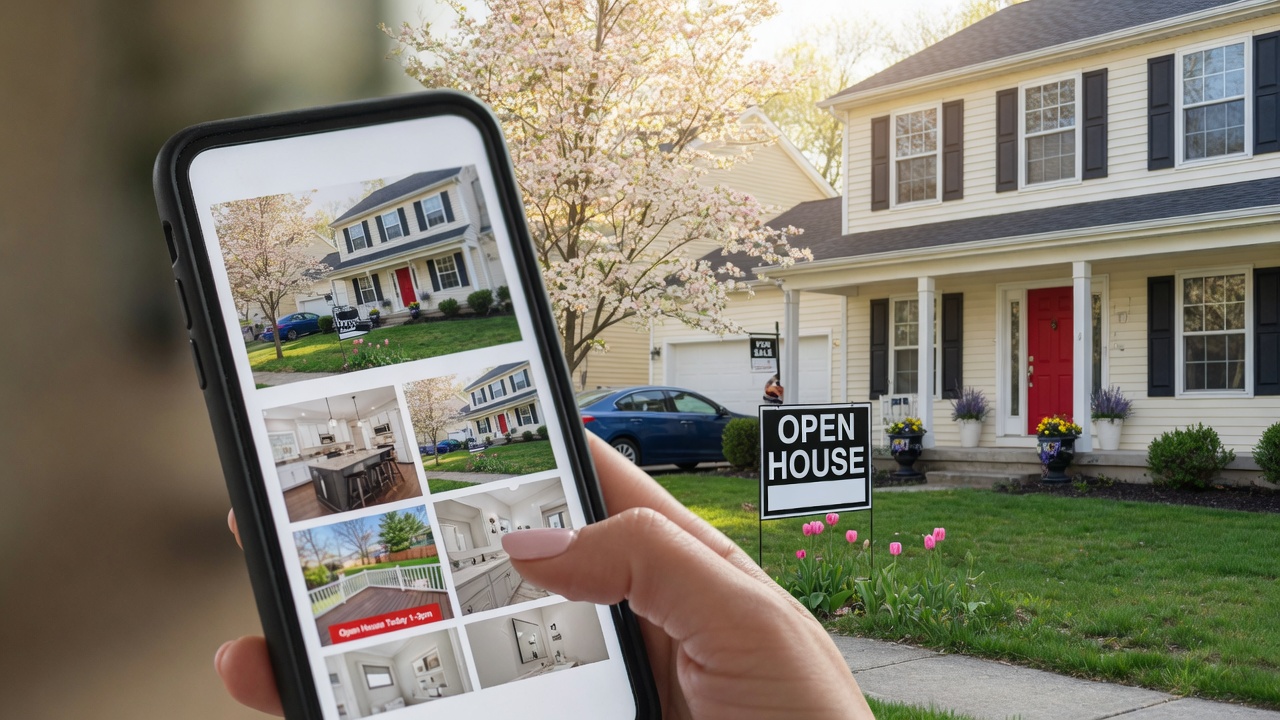
Not long ago, the open house was the centerpiece of every listing strategy. A full-page newspaper ad, a few directional signs, and a weekend afternoon were enough to draw a crowd. Today, buyers can scroll through dozens of listings before breakfast, take virtual tours from their couch, and schedule private showings with a text message. So the question every seller asks is simple: are open houses still worth the effort? The answer, like most things in real estate, is nuanced.
How Online Search Changed the Game
The shift to online search has been the single biggest transformation in real estate over the past two decades. According to the National Association of REALTORS®, the vast majority of buyers now begin their home search online — often weeks or months before they ever step foot in a property. Platforms like JoyceEngland.com, Realtor.com, and the MLS syndication network give buyers instant access to photos, floor plans, pricing data, neighborhood information, and even 3D walkthroughs.
This means the open house is no longer the first point of contact between a buyer and a listing. By the time someone walks through your door on a Saturday afternoon, they've already formed an impression online. They've seen the photos, checked the price against comparable sales, and probably driven through the neighborhood. The open house has evolved from a discovery tool into a confirmation step — and that changes how we should think about its value.
The Case for Open Houses: Why Sellers Should Still Consider Them
Despite the digital revolution, open houses still serve several important functions that online listings simply cannot replicate:
- Creating urgency and momentum. When multiple buyers tour a home on the same day, it creates a sense of competition that individual showings rarely generate. That energy can translate into stronger offers, especially in the first weekend on market.
- Generating feedback. One of the most valuable outcomes of an open house isn't an offer — it's information. Visitor feedback on price, condition, layout, and neighborhood helps me fine-tune the pricing and marketing strategy if needed.
- Reaching unrepresented buyers. Some buyers attend open houses without an agent. This gives your listing agent the opportunity to connect with motivated buyers who may not have professional representation — a lead generation benefit for the listing side.
- Showcasing staging and condition. No photograph fully captures the feeling of walking into a well-staged home. The way light fills a room, the flow between spaces, the quality of finishes — these are sensory experiences that photos approximate but never replace.
In markets like Mid-Michigan, where homes in communities like Grand Blanc, Fenton, and Davison can attract serious interest quickly, a well-timed open house on the first weekend can be the catalyst that sets off a competitive offer situation.
The Case Against: When Open Houses Don't Make Sense
Not every listing benefits from an open house, and honest agents will tell you that. Here are the situations where I'd recommend a seller think twice:
- Luxury and high-price-point properties. Buyers shopping in higher price ranges tend to prefer the privacy and exclusivity of scheduled showings. An open house can feel impersonal at this level and may attract looky-loos rather than serious buyers.
- Seller's markets with multiple offers. If a home is priced correctly and inventory is low, you may receive multiple offers before the open house even happens. In this case, the open house is unnecessary — though some agents still hold one to create additional pressure.
- Homes that aren't fully prepared. An open house amplifies everything — good and bad. If a home isn't decluttered, cleaned, and staged properly, an open house will expose those shortcomings to more people simultaneously. It's better to do a few private showings while getting the home ready than to launch an open house before the home is at its best. My guide on preparing your home for sale covers what "ready" really means.
- Remote or rural properties. Homes on acreage, rural parcels, or in areas that are difficult for large groups to access may not benefit from the open house format.
How Agents Leverage Open Houses for Lead Generation
Here's something most sellers don't think about: an open house isn't just a marketing event for the listing — it's a lead generation event for the listing agent. Every person who walks through the door is a potential client, either as a buyer for this home or as someone who may need to sell their own home in the future.
Good agents use open houses strategically. They collect visitor information, follow up within 24 hours, and build relationships with every person who attends. Over time, these connections become the foundation of a referral-based business — which is exactly how a significant portion of my own business has grown.
For sellers, this means your agent should be clear about what they're doing to market your home at the open house and beyond. The event should be one piece of a comprehensive strategy that includes professional photography, digital marketing, broker network outreach, and targeted social media campaigns.
How to Prepare for an Open House in 2026
If you and your agent decide an open house makes sense, preparation is everything. Here's what I recommend:
- Price it right from the start. An overpriced open house will attract browsers, not buyers. Accurate pricing ensures the people walking through the door are serious and qualified.
- Make the online listing irresistible first. The open house attendance starts with the online listing. If the photos and description don't stop buyers from scrolling, no one shows up. This is why professional photography is non-negotiable.
- Declutter, clean, and depersonalize. Buyers need to imagine their life in the space. Remove personal photos, clear kitchen counters, organize closets, and make every room feel open and inviting. If you need a quick-start guide, my one-weekend preparation checklist can help.
- Handle odors and lighting. Open every blind, turn on every light, and address any pet or cooking odors. These invisible details have an outsized impact on first impressions.
- Leave during the open house. Buyers explore more freely when the owner isn't present. Let your agent handle the event so visitors feel comfortable and unobserved.
- Plan your follow-up strategy. The real work begins after the open house ends. A good agent debriefs with the seller, follows up with every visitor, and reports back on feedback and interest levels.
The Bottom Line: Open Houses as One Tool in a Larger Strategy
Open houses aren't dead — but their role has changed. They're no longer the primary way buyers discover homes. Instead, they're a powerful tool for creating momentum, generating feedback, and building agent relationships when used as part of a deliberate, multi-channel marketing strategy. As I've discussed in my article on the role of technology in modern real estate, today's most successful listings combine digital reach with in-person experience.
The key is working with an experienced agent who knows when an open house adds value and when it doesn't — and who has the marketing infrastructure to make it count when it does. After more than 20 years in the industry, I've learned that the best strategy is always the one tailored to your specific home, your timeline, and your goals.
Thinking about listing your home and wondering whether an open house is right for your situation? Schedule a consultation and let's talk through the options together. You can also reach me at 810-513-3335.

Keller Williams First · 810-513-3335 · Schedule a consultation