Winter-Proofing Your Michigan Home: A Seasonal Maintenance Guide
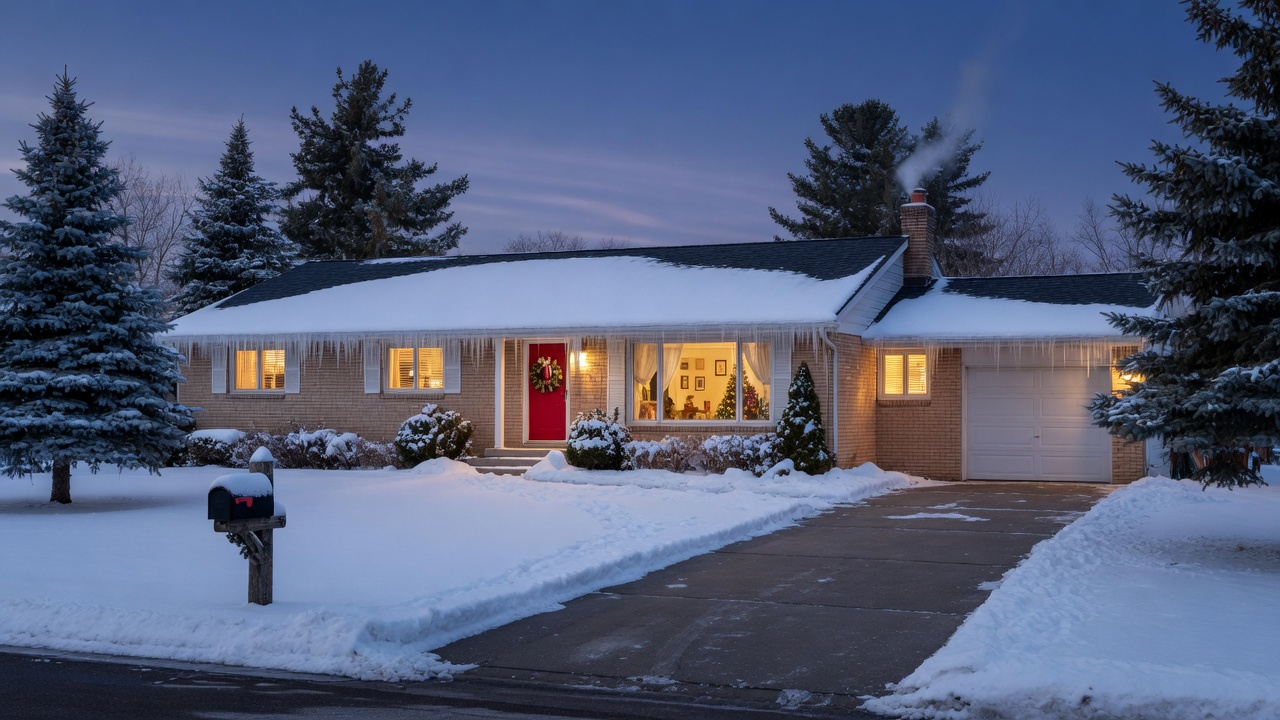
Michigan winters don't ease into things. By November, temperatures can swing from 45°F one day to 20°F the next, and by January, sustained cold snaps with wind chills well below zero are the norm. For homeowners, this isn't just a comfort issue — it's a structural, financial, and safety challenge. A few hours of proactive preparation each fall can prevent thousands of dollars in damage and keep your family safe and warm all season. This guide covers the essential steps every Mid-Michigan homeowner should take before the cold sets in.
Furnace Inspection and HVAC Readiness
Your furnace is the single most critical system in your home during a Michigan winter. A breakdown in January isn't just inconvenient — it can be dangerous if temperatures drop fast enough to freeze pipes. Here's how to prepare:
- Schedule a professional tune-up. Have a licensed HVAC technician inspect, clean, and service your furnace before heating season begins. A typical fall inspection costs $100 to $200 and includes checking the heat exchanger, testing safety controls, cleaning the burners, inspecting the flue and venting, and verifying proper operation. A cracked heat exchanger — a common issue in furnaces older than 15 to 20 years — is a serious safety hazard that a technician can identify before it becomes a problem.
- Replace the air filter. A dirty filter restricts airflow, reduces efficiency, and puts unnecessary strain on the system. Check it monthly during heating season and replace every 60 to 90 days, or more frequently if you have pets or allergies.
- Test your thermostat. Switch to heat mode and verify that the system kicks on and reaches the set temperature. If you have a programmable or smart thermostat, set a winter schedule — cooler at night and when you're away, comfortable during waking hours. A smart thermostat can save 10-15% on heating costs annually.
- Inspect ductwork. Check visible ductwork in your basement or attic for disconnected joints, holes, or damaged insulation. Leaky ducts can waste 20-30% of your heated air, driving up utility bills and creating cold spots throughout the house.
- Know your furnace age. If your furnace is older than 15 years, start budgeting for replacement. Modern high-efficiency furnaces (95%+ AFUE) can significantly reduce heating costs compared to older 80% efficiency models. If yours needs replacement, the home inspection process is where these concerns often surface.
Insulation and Air Sealing
Heat rises — and in a poorly insulated home, it rises straight out through the attic. Proper insulation and air sealing are the most cost-effective ways to improve comfort and reduce heating costs:
- Check attic insulation depth. Mid-Michigan homes should have at least R-49 insulation in the attic, which translates to approximately 16 to 20 inches of blown-in fiberglass or cellulose. Many older Michigan homes have far less. If you can see the ceiling joists from your attic, you don't have enough insulation.
- Seal air leaks. Before adding insulation, seal air leaks around plumbing penetrations, electrical boxes, attic hatches, recessed lights, and where walls meet the attic floor. Use caulk, expanding foam, or weatherstripping as appropriate. Air sealing before insulating can reduce heating costs by 10-20%.
- Check wall insulation. If your home has older construction and you've never verified wall insulation, a simple infrared scan or consult with an insulation contractor can identify gaps. Many pre-1970 Michigan homes have minimal or no wall insulation.
- Insulate the rim joist. The rim joist (the floor joist area at the top of your foundation) is one of the biggest sources of heat loss in Michigan basements. Rigid foam board or spray foam insulation in this area makes a noticeable difference in basement comfort and overall energy efficiency.
Window and Door Sealing
Drafty windows and doors are one of the most common complaints in Michigan homes during winter. Here's how to minimize heat loss through your building envelope:
- Check weatherstripping. Inspect weatherstripping around all exterior doors and operable windows. If it's cracked, compressed, or missing, replace it. Quality weatherstripping costs a few dollars per door and makes an immediate difference in draft reduction.
- Apply window film. For older single-pane or drafty double-pane windows, interior window insulation film creates an air barrier that reduces heat loss by up to 50% per window. Kits are inexpensive and available at any hardware store. This is a temporary fix, but it's effective for one to two seasons while you budget for window replacement.
- Seal gaps with caulk. Check the exterior trim around windows and doors for gaps where caulk has cracked or pulled away. Apply exterior-grade caulk to seal these openings. This small task prevents cold air infiltration and helps keep moisture out of wall cavities.
- Install door sweeps. Exterior doors without sweeps allow cold air to flow directly into your home at floor level. Install adjustable door sweeps on all exterior doors — it's a five-minute fix with a real impact on comfort.
Pipe Protection and Frozen Pipe Prevention
Frozen pipes are one of the most expensive winter emergencies a homeowner can face. A burst pipe can release thousands of gallons of water into your home, causing extensive damage to floors, walls, furniture, and electrical systems. Prevention is straightforward:
- Disconnect and drain outdoor hoses. Remove garden hoses from exterior faucets, shut off interior supply valves to outdoor hose bibs (if available), and drain any remaining water. An insulated faucet cover provides additional protection.
- Insulate exposed pipes. Pipes in unheated or under-insulated areas — crawl spaces, garages, attic spaces, and along exterior walls — are vulnerable to freezing. Pipe insulation sleeves or heat tape provide protection and are inexpensive to install.
- Know where your water shut-off is. Every household member should know where the main water shut-off valve is located. If a pipe freezes or bursts, being able to shut off water immediately can prevent thousands of dollars in additional damage.
- Maintain heat in the home. Even when you're away, keep the thermostat set to at least 55°F. Michigan has experienced rapid temperature drops that can freeze pipes within hours if heating is reduced too far. If you're going on an extended winter trip, ask a neighbor to check on the house.
- Open cabinet doors. On extremely cold nights, open cabinet doors in kitchens and bathrooms to allow heated air to circulate around pipes along exterior walls.
Ice Dam Prevention
Ice dams are one of the most common and destructive winter issues in Michigan homes — particularly in older homes with inadequate attic insulation and ventilation. Here's what causes them and how to prevent them:
An ice dam forms when heat escaping from the attic melts snow on the roof, which then refreezes at the colder eaves. The resulting ice buildup traps water behind it, which backs up under the shingles and into the home, causing roof damage, ceiling stains, and interior water damage.
- Ensure adequate attic insulation. Keeping the attic cold — at outdoor temperature — prevents snow from melting unevenly on the roof. This is the single most effective ice dam prevention measure.
- Verify attic ventilation. Proper soffit and ridge ventilation allows cold air to flow through the attic, maintaining consistent temperature. Blocked soffit vents (often caused by insulation pushed against them) compromise this airflow.
- Seal attic air leaks. Warm air leaking from the living space into the attic is the primary cause of uneven roof temperatures. Air sealing the attic floor is essential.
- Consider ice and water shield. If you're replacing your roof, ask your contractor about installing ice and water shield membrane along the eaves (the first three to six feet from the edge). This provides a secondary barrier against water intrusion even if ice dams form.
- Remove heavy snow carefully. After major snowfalls, use a roof rake to remove the bottom three to four feet of snow from the eaves. This reduces the snow supply that feeds ice dam formation. Never get on the roof to remove snow — use a long-handled roof rake from the ground.
Gutter Cleaning and Drainage
Clean, properly functioning gutters are essential for both fall rain management and winter ice dam prevention:
- Clean gutters thoroughly. Remove all leaves, debris, and sediment from gutters and downspouts before the first hard freeze. Clogged gutters prevent proper drainage, leading to overflowing water that damages fascia boards, soffits, and foundation walls.
- Check gutter alignment. Gutters should slope slightly toward the downspouts. Sagging or misaligned sections hold water, which freezes and adds weight that can pull gutters away from the house.
- Extend downspouts. Downspouts should discharge water at least four to six feet away from the foundation. Splash blocks or downspout extensions prevent water from pooling near the foundation — a leading cause of basement water intrusion in Michigan homes.
- Consider gutter guards. If you're tired of annual cleaning, gutter guards or screens can significantly reduce debris accumulation. While not completely maintenance-free, they make gutter upkeep much easier.
Emergency Kit Essentials
Michigan's winter weather can be unpredictable. Ice storms, power outages, and heavy snowfall events can leave you without utilities for hours or even days. Every Michigan household should have a winter emergency kit prepared before the season begins:
- Water and non-perishable food. Store at least one gallon of water per person per day for a minimum of three days, along with non-perishable food that doesn't require cooking (canned goods, granola bars, dried fruit).
- Flashlights and batteries. Avoid candles for lighting during power outages — fire risk increases when homes are drafty and family members are moving around in the dark. LED flashlights and battery-powered lanterns are safer options.
- Portable phone charger. A fully charged battery bank (10,000 mAh or larger) can keep your phone running during extended outages, allowing you to access emergency information and contact help.
- Warm blankets and sleeping bags. If the furnace fails, your home will cool rapidly. Have enough warm bedding for every family member to stay warm through a cold night.
- Carbon monoxide detector batteries. CO detectors are critical during winter when furnaces, fireplaces, and generators are in heavy use. Test all detectors and replace batteries or units as needed.
- First aid kit. Include basic first aid supplies, any prescription medications, and a supply of any medical items your family depends on daily.
- Snow removal equipment. Keep a sturdy snow shovel, ice melt, and a snow brush/scraper for vehicles accessible and in good condition. Don't wait until the first storm to realize your shovel is broken.
- Generator (if applicable). If you have a standby generator, test it before the season begins and ensure you have adequate fuel. If you use a portable generator, never run it indoors — carbon monoxide from generators kills dozens of people nationally each year.
A Seasonal Maintenance Timeline
To keep things manageable, here's a simple timeline for winter preparation:
- September: Schedule furnace inspection, clean gutters, check attic insulation
- October: Seal windows and doors, disconnect hoses, insulate exposed pipes, test CO and smoke detectors
- November: Final gutter check, stock emergency kit, reverse ceiling fans to clockwise (push warm air down), set thermostat schedule
- December–February: Monitor for ice dams, remove snow from eaves after heavy storms, check for frozen pipes during extreme cold, replace furnace filter monthly
Also consider reviewing our summer home maintenance checklist to stay on top of year-round home care.
Protecting Your Investment
A well-maintained home in Michigan lasts longer, costs less to operate, and holds its value better. Buyers and inspectors notice when a home has been properly cared for — when it's time to sell, that maintenance history becomes a genuine asset. Whether you've been in your home for twenty years or you're just getting ready to buy, these winter preparation steps protect both your comfort and your investment.
Related Reading
- Summer Home Maintenance Checklist for Mid-Michigan
- Energy Efficiency in Your Mid-Michigan Home
- Home Inspections 101: What Happens and Why It Matters
- The Hidden Costs of Homeownership
- Seasonal Landscaping Tips to Boost Your Home's Curb Appeal
Need Help Preparing Your Home?
Whether you're buying a home and want to understand what maintenance to expect, or you're a homeowner looking for guidance on keeping your property in top condition, I'm here to help. I connect my clients with trusted local contractors, HVAC professionals, and home service providers who deliver quality work at fair prices. Schedule a consultation, call me at 810-513-3335, or visit my contact page. Let's make sure your home is ready for whatever Michigan winter brings.

Keller Williams First · 810-513-3335 · Schedule a consultation