Staging Your Home on a Budget: High Impact, Low Cost
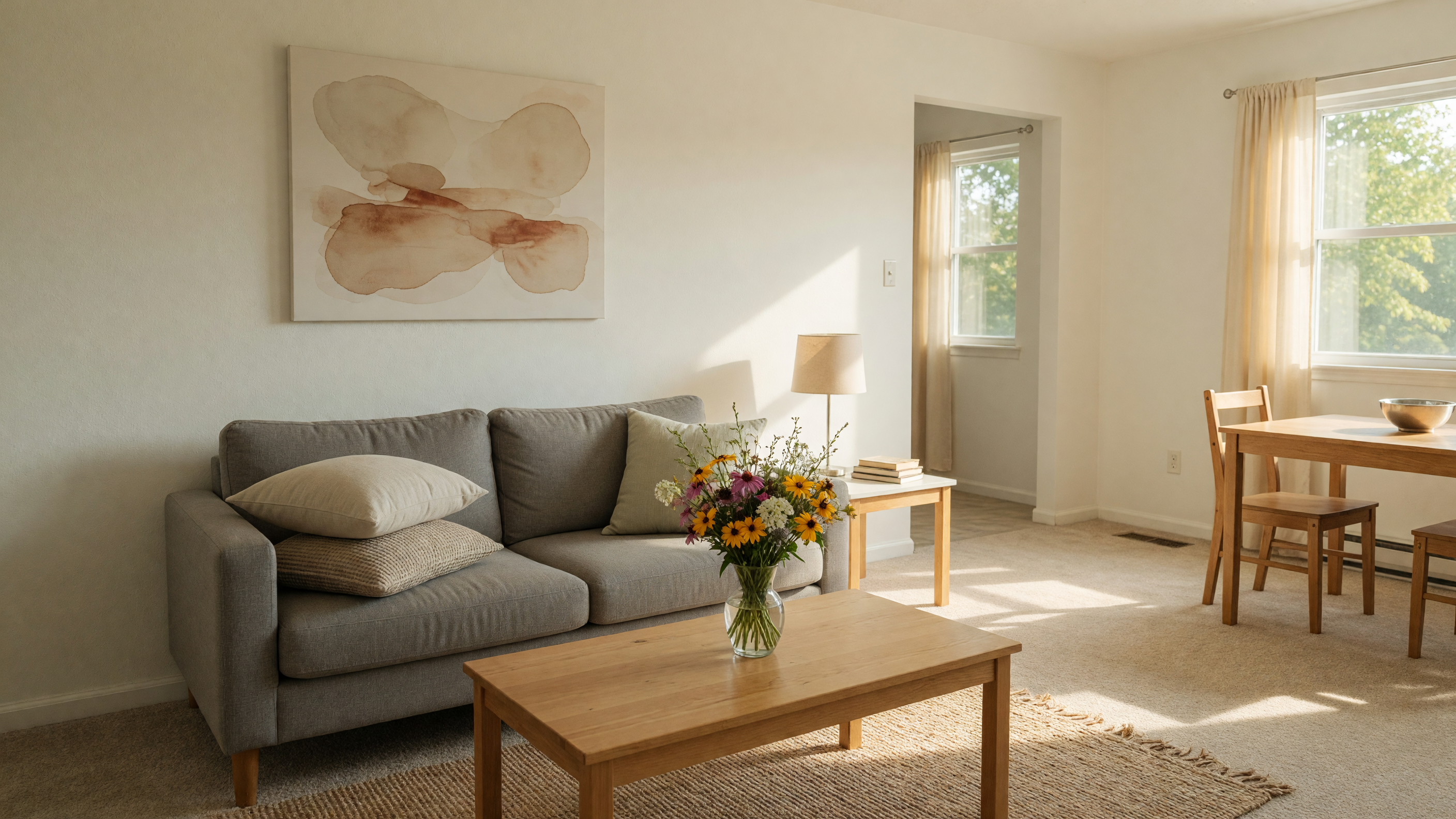
When it comes to selling your home, staging can be one of the most powerful tools in your arsenal. But here's what many sellers don't realize: staging doesn't have to cost thousands of dollars. After more than 20 years in the real estate industry, I've watched sellers transform their homes with smart, affordable choices that made a lasting impression on buyers. You don't need a professional staging company to make your home shine — you need a plan, a little elbow grease, and the right priorities.
Start with Decluttering: The Free Staging Tool
If there's one thing that costs nothing and delivers the biggest return, it's decluttering. Every item you remove from a room makes that room feel larger, brighter, and more inviting. Buyers aren't buying your stuff — they're buying the space. And right now, your stuff might be making the space feel smaller than it actually is.
Here's my decluttering strategy that I share with every seller:
- The "three-box" method: Go through each room with three containers — keep, pack, and donate. If you haven't used it in the past year and it's not a daily essential, it goes in the pack or donate box. Be honest with yourself.
- Kitchen counters clear: Remove everything from your kitchen counters except one or two intentional items — a small plant, a cookbook on a stand, or a bowl of fresh fruit. Buyers mentally count the counter space, and clutter makes it seem smaller.
- Closet and cabinet reality: Buyers will open closets. They always do. Pack your closets to about 60% capacity. Neat, organized closets signal that the home has plenty of storage. Overstuffed closets signal the opposite.
- Remove personal items: Family photos, collections, and personal memorabilia should be packed away. Buyers need to imagine themselves in the space, and your personal items make that harder. This doesn't mean the home should feel sterile — it just needs to feel neutral.
- Furniture editing: This is one most sellers skip, but it matters. If a room has too much furniture, remove a piece or two. A living room with a couch, two chairs, and a coffee table feels spacious. Add two more chairs and an ottoman, and it feels cramped. Less furniture = more perceived space.
The beauty of decluttering is that every item you pack is one less thing to move on closing day. Think of it as getting a head start on your move.
Lighting Tricks That Cost Almost Nothing
Lighting is the most underrated staging element, and the good news is that improving it costs almost nothing. A dark room feels smaller, colder, and less appealing. A bright room feels warm, welcoming, and spacious. Here's how to maximize yours:
- Open every blind and curtain. Before any showing, open every window covering in the house. Natural light is your best friend, and it costs nothing. Even on an overcast day, natural light creates a sense of openness that artificial light can't fully replicate.
- Turn on every light. Every single one. Walk through the house before a showing and flip every switch — overhead lights, lamps, closet lights, under-cabinet lights, even the light in the laundry room and garage. Buyers notice dark spots, and a well-lit home feels cared for.
- Upgrade bulbs to warm white. If you have harsh, cool-white bulbs (those bluish 5000K bulbs), swap them for warm white (2700K–3000K). This small change instantly makes rooms feel cozier and more inviting. You can buy a multi-pack of warm white LED bulbs for under $15.
- Add lamps to dark corners. If a room has corners that don't get overhead light, place a floor lamp or table lamp there. The goal is even, consistent light throughout the space. Dark corners create shadows that make rooms feel smaller.
- Clean every fixture. Dusty, bug-filled light fixtures cast dim, dirty light. Take five minutes to wipe down every fixture and replace any burned-out bulbs. It's a small detail that makes a visible difference.
Neutral Paint: The $200 Transformation
Nothing transforms a room faster and more affordably than a fresh coat of neutral paint. If your walls are currently a bold color — deep red, bright blue, dark green, or even an outdated yellow — repainting in a warm neutral can make your home feel larger, brighter, and more appealing to the widest range of buyers.
Here are my paint recommendations for sellers on a budget:
- Stick to warm neutrals. Colors like soft white, warm gray, greige (a gray-beige hybrid), or pale taupe work best. These colors photograph well, feel inviting, and allow buyers to project their own style onto the space. Sherwin-Williams "Agreeable Gray" or "Alabaster" are popular choices that photograph beautifully.
- Paint the most visible rooms first. If budget is limited, prioritize the rooms that buyers see first — the entryway, living room, kitchen, and primary bedroom. A freshly painted entry sets the tone for the entire showing.
- One gallon goes further than you think. Most rooms need just one gallon for a single coat. If you're doing two coats (recommended for bold or dark existing colors), two gallons per room will usually cover it. At $35–$50 per gallon for quality paint, you can transform a room for well under $100.
- Don't forget the trim. White or off-white trim against neutral walls creates a clean, polished look. If your baseboards and door frames are scuffed or yellowed, a quick coat of fresh white trim paint makes everything look newer.
If you're not sure where to start, walk through your home with a critical eye — or better yet, ask your agent to do a pre-listing walk-through and identify which rooms will benefit most from paint.
Curb Appeal Basics: First Impressions on a Dime
Buyers form an opinion about your home within seconds of pulling up to the curb. If the exterior looks neglected, many won't even bother going inside. The good news is that impactful curb appeal improvements don't require a landscaper or a handyman — just a few hours and some intention.
- Mow, edge, and mulch. A freshly mowed lawn with clean edges and a layer of new mulch in garden beds makes a home look instantly cared for. A bag of mulch costs $4–$5, and spreading it yourself takes an afternoon. This single step has an outsized visual impact.
- Power wash everything. Rent a power washer for $50–$75 a day (or borrow one from a neighbor) and clean your siding, driveway, walkways, and front porch. Years of grime disappear, and the home looks noticeably newer. This is one of the highest-ROI improvements you can make.
- Update the front door. A fresh coat of paint on your front door — especially in a color that complements the home's exterior — creates a welcoming focal point. Black, navy, and deep red are classic choices. If the door is outdated or damaged, replacing it can cost $200–$500 and adds significant visual appeal.
- Add a new doormat and house numbers. Replace that old, worn doormat with a clean, simple one. Update your house numbers if they're faded or outdated. These two small purchases — together under $40 — make the entrance feel fresh and intentional.
- Potted plants flanking the door. Two matching planters with seasonal flowers or greenery create symmetry and warmth at the entrance. You can find affordable planters at any home improvement store, and seasonal flowers cost just a few dollars per pot.
For a deeper dive into seasonal curb appeal strategies specific to our area, check out my Mid-Michigan home preparation guide.
Small Touches That Make a Big Difference
The difference between a home that feels "lived in" and a home that feels "move-in ready" often comes down to a handful of small, intentional details. Here are the touches that consistently make the biggest impression on buyers:
- Fresh flowers or a simple plant. Place a vase of fresh flowers on the kitchen island or dining table, or a healthy green plant in a corner. This adds life and color to a room without clutter. Grocery store flowers work perfectly — you don't need a florist.
- Fluffy white towels in the bathroom. Roll clean, fluffy white towels and place them on the bathroom counter or a small shelf. It's the hotel trick — it makes bathrooms feel spa-like and clean. Buy a set of white towels at Target for $20 and roll them up.
- A bowl of fresh fruit on the counter. A simple bowl of green apples, lemons, or oranges adds a pop of color and makes the kitchen feel fresh and ready for cooking. It's a $5 investment that photographs beautifully.
- Consistent scent throughout. Avoid strong air fresheners or plug-ins — they can trigger allergies and make buyers wonder what you're covering up. Instead, simmer cinnamon sticks and vanilla on the stove before a showing, or place a subtle reed diffuser in the entryway. The goal is a clean, fresh scent that doesn't shout.
- Remove pet evidence. I love pets, and most buyers do too — but they don't want to see pet hair, smell pet odors, or trip over pet bowls during a showing. Deep clean carpets to remove pet hair, wash pet bedding, and store bowls and toys before each showing.
- Make the beds perfectly. Every bed in the home should be made with clean, coordinated bedding. A well-made bed transforms a bedroom. If your current bedding is worn or mismatched, a new comforter set in a neutral color costs $50–$100 and makes the room feel hotel-ready.
Mid-Michigan Seasonal Staging Advice
Here in Mid-Michigan, the seasons dictate how your home shows, and adjusting your staging strategy accordingly can make a meaningful difference. Here's what I recommend for each season:
Spring (March–May)
Spring is peak listing season, and homes that show well in spring benefit enormously from curb appeal. Clean up winter debris — dead leaves, fallen branches, and matted mulch. Plant fresh annuals in your beds and add color with tulips, daffodils, or pansies. Open windows during showings to let in fresh air and the scent of spring. Make sure your gutters are clean from winter buildup, and address any salt damage to your walkways or driveway with a power wash.
Summer (June–August)
Summer showings are all about outdoor living. Stage your deck, patio, or porch with simple furniture — even a pair of Adirondack chairs and a small table signals outdoor enjoyment. Keep the lawn mowed regularly (every 5–7 days), water flower beds, and keep the garage door closed if it's cluttered. For showings in the heat, make sure your air conditioning is running and set to a comfortable temperature. A hot house is a deal-killer. Clean ceiling fan blades — buyers look up.
Fall (September–November)
Fall staging is about warmth and coziness. Rake leaves regularly — a yard covered in leaves signals neglect, not autumn charm. Add a seasonal wreath to the front door and a pot of mums flanking the entrance. Inside, swap lightweight throw pillows for heavier textures in warm tones. Turn on the fireplace if you have one — a crackling fire during a fall showing creates an emotional connection that buyers remember. Clean the chimney first for safety and best flame performance.
Winter (December–February)
Winter staging in Michigan requires specific preparation. Keep driveways and sidewalks shoveled and salted — safe access is non-negotiable. Maximize indoor lighting since days are short and grey. Service your furnace so the home heats quickly and consistently. Create warmth with layered textiles — plush throws, heavier curtains, and soft lighting. Avoid holiday-specific decorations that are too personal; a simple, neutral winter arrangement works better. For more on this topic, read my guide to selling your home in winter.
The Bottom Line
Staging your home doesn't require a professional budget — it requires a professional mindset. Focus on the spaces and details that create the strongest emotional response: decluttered rooms, bright lighting, fresh paint, inviting curb appeal, and small thoughtful touches. These changes cost very little in time and money, but they can make the difference between a home that sits on the market and one that receives strong offers quickly.
If you're thinking about selling and want a personalized staging plan based on your specific home, I'd love to walk through it with you. Schedule a consultation or call me at 810-513-3335. I'll help you prioritize the improvements that deliver the most value for your investment. You can also explore my seller strategy page to learn more about how I position homes for maximum impact.

Keller Williams First · 810-513-3335 · Schedule a consultation