Selling a Home with Pets: Tips for a Clean, Odor-Free Showing
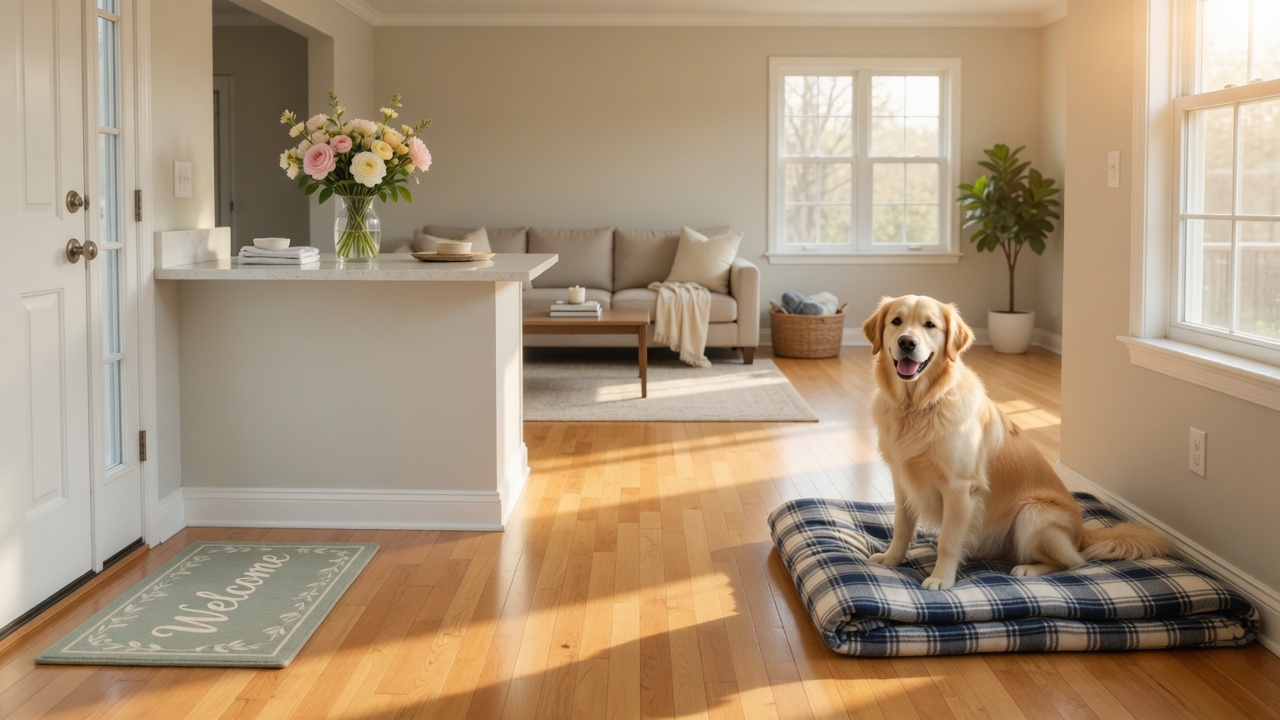
If you're a pet owner trying to sell your home, you already know the challenge: your beloved furry family member and a buyer's first impression don't always mix. Odors, pet hair, scratched surfaces, and the logistics of getting animals out of the house for showings can feel overwhelming. But here's the good news — with some preparation and a solid plan, you can present a home that's clean, inviting, and appealing to every buyer, while still keeping your pet happy and stress-free throughout the process.
As a Mid-Michigan REALTOR® who has helped dozens of pet-owning families sell their homes, I've seen what works — and what doesn't. If you're just getting started, our guide to selling your home in Mid-Michigan covers the full process from pricing to closing. Here's my practical guide to selling your home when you have pets.
Odor Neutralization: The #1 Priority
Let's address the elephant in the room first. Pet odors are the single biggest concern buyers mention when touring homes with animals. The tricky part is that you may have gone nose-blind to your own home's scent. What seems perfectly normal to you may be the first thing a buyer notices when they walk through the door.
Here's how to tackle odors head-on:
- Deep clean all soft surfaces. Pet odors embed in carpet, upholstery, and curtains. Hire a professional carpet cleaning service — not just a standard steam clean, but one that uses enzymatic cleaners designed to break down pet urine molecules at the source. For hardwood and tile, use a solution of white vinegar and water, followed by a pet-safe floor cleaner.
- Replace carpet padding if necessary. In severe cases, particularly with cats or older dogs, the padding beneath carpet may have absorbed odors that surface cleaning can't reach. Replacing padding and stretching new carpet is an investment that can pay for itself in buyer perception.
- Wash everything washable. Pet blankets, bedding, crate pads, and removable couch covers should go through a hot-water wash cycle with an odor-neutralizing laundry additive. Don't forget throw rugs and bathroom mats — these are common pet gathering spots.
- Use an ozone generator strategically. An ozone machine can neutralize deeply embedded odors that cleaning alone can't touch. Run it in an unoccupied room for several hours, then ventilate thoroughly before your pet or anyone else re-enters. Follow all manufacturer safety guidelines — ozone is powerful but needs proper handling.
- Address the litter box zone. If you have cats, the litter area is ground zero for odor concerns. Move it to the most ventilated room possible, scoop multiple times daily, and consider switching to a high-absorbency litter during the listing period. For showings, temporarily relocate the entire setup to a garage or covered outdoor area if climate allows.
Pet Hair Management: The Daily Battle
Even if your home smells fresh, visible pet hair on furniture, floors, and clothing can signal to buyers that the home isn't well-maintained. Here's how to keep fur under control during the listing period:
- Invest in a quality pet hair roller. Keep lint rollers in every room — not just for your clothes, but for upholstered furniture and throw pillows before every showing. The rechargeable, washable kind works best for high-traffic areas.
- Vacuum daily. This isn't optional during the listing period. Run a pet-specific vacuum with a HEPA filter across all floors, rugs, and upholstered surfaces every single day. Many modern stick vacuums make this a five-minute task.
- Groom your pet more frequently. Brushing your dog or cat every day or two during the listing period significantly reduces the amount of loose fur shed around the house. A professional grooming appointment before listing day is a worthwhile investment.
- Use washable furniture covers. Drape your sofa and any pet-favorite chairs with attractive, machine-washable throws. Choose neutral colors that coordinate with your decor — they'll look intentional, not like you're hiding something.
- Clean air vents and filters. Pet dander circulates through your HVAC system. Replace your furnace filter with a high-efficiency model before listing, and have the vents professionally cleaned if it's been more than a year.
Outdoor Space Prep: Make the Yard Work for You
Your outdoor spaces are just as important as the interior when it comes to buyer impressions. Buyers will walk the yard, and pet owners often have outdoor issues that need attention:
- Repair lawn damage. Dog urine spots create dead patches. Overseed affected areas at least two to three weeks before listing to give the grass time to recover. In the interim, apply a pet-safe lawn repair product to green up bare spots.
- Clean up the yard thoroughly. Walk the entire property with a critical eye and a cleanup bag. Pet waste, even old and dried, sends a negative signal. Pay special attention to areas near gates, under decks, and along fence lines where dogs tend to gravitate.
- Repair fence damage. Buyers with children or pets of their own will evaluate the fence carefully. Fix any gaps, loose boards, or damaged gates. A secure, well-maintained fence is a genuine selling point.
- Address pet odors on patios and decks. Pressure-wash concrete, stone, and wood surfaces where your pet spends time outdoors. Apply a pet-odor-neutralizing treatment to areas around dog doors or kennel spots.
- Enhance curb appeal beyond pet cleanup. Trim shrubs, edge walkways, and add seasonal color with potted plants or a fresh layer of mulch. A beautiful outdoor space helps buyers see past the fact that a pet lived here.
Showing Strategies: Making It Work for Everyone
The logistics of showing a home with pets require planning. Here's the approach I recommend to my clients:
- Always remove pets during showings. Even the friendliest dog can make a nervous buyer uncomfortable. Take your pet with you, or arrange for them to stay with a friend, neighbor, or pet-sitter during every showing and open house.
- Remove pet evidence. Before every showing, stash food bowls, water dishes, toys, scratching posts, litter boxes, crates, and pet beds out of sight. Buyers should focus on the home, not the pet's belongings. A garage, closet, or even your car trunk works fine.
- Create a pre-showing checklist. After a few showings, you'll develop a routine. Write it down so it becomes automatic: vacuum, lint-roll furniture, wipe down surfaces, remove pet items, check for odors, take pet outside, and do a final walk-through. Consistency matters.
- Consider professional cleaning before open houses. For major events like an open house or broker tour, a professional cleaning service can elevate your home's presentation beyond what daily maintenance achieves. The investment typically returns its value in buyer perception.
- Disclose pet ownership honestly. Michigan law requires sellers to disclose known material facts about a property. While owning a pet isn't a disclosure item, any damage your pet has caused — scratched hardwood, chewed door frames, urine-stained subfloor — should be disclosed or repaired.
Keeping Your Pet Stress-Free During the Process
Selling a home is stressful for humans, but it can be just as disruptive for animals. Pets are highly attuned to changes in routine, and the constant coming and going of strangers can trigger anxiety, behavioral changes, or health issues. Here's how to minimize the impact:
- Maintain their routine. Feed, walk, and play with your pet on their normal schedule as much as possible. Routine is the anchor that keeps animals grounded during chaotic times.
- Create a safe zone. Before showings, set up a quiet room or area — a bedroom with the door closed, a crate in a quiet space, or even a friend's house — where your pet feels secure. Stock it with their favorite blanket, toy, and a piece of your clothing for comfort.
- Watch for behavioral changes. Increased barking, hiding, loss of appetite, or destructive behavior may signal your pet is struggling with the disruption. If stress symptoms persist, talk to your veterinarian about temporary calming solutions.
- Use calming aids. Pheromone diffusers like Adaptil for dogs or Feliway for cats can help reduce anxiety. Calming treats or wraps like ThunderShirts can also help during particularly stressful periods like open houses.
- Enlist a pet-sitter for heavy showing periods. If your home is getting a lot of showing traffic — which is a good problem to have — consider having a friend or professional pet-sitter take your animal for the day. It's easier than trying to shuttle them in and out between back-to-back appointments.
The Bigger Picture: Pets and Property Value
Let's be clear about something: owning a pet does not mean your home will sell for less. What matters is how well you've prepared and presented the property. Buyers understand that people live in homes — and most of them have or have had pets themselves. The key is showing that you've been a responsible, attentive homeowner who maintained the property despite the extra wear and tear that comes with animal companionship.
In my experience, pet-owning sellers who invest in the preparation steps above see no difference in sale price or time on market compared to non-pet-owning sellers. The difference is in the effort, not the outcome. And when you work with an agent who understands your situation and can guide you through the preparation process, the whole experience becomes much more manageable.
Ready to Sell Your Pet-Friendly Home?
I'm a pet lover myself, and I understand the unique challenges of selling a home when you have animals. My job is to help you navigate the process with a clear plan, practical advice, and honest feedback — so your home puts its best foot forward at every showing. If you're thinking about selling, schedule a consultation or call me at 810-513-3335. I'll help you create a plan that works for both you and your four-legged family members.

Keller Williams First · 810-513-3335 · Schedule a consultation