Selling by Owner in Michigan: What You Need to Know
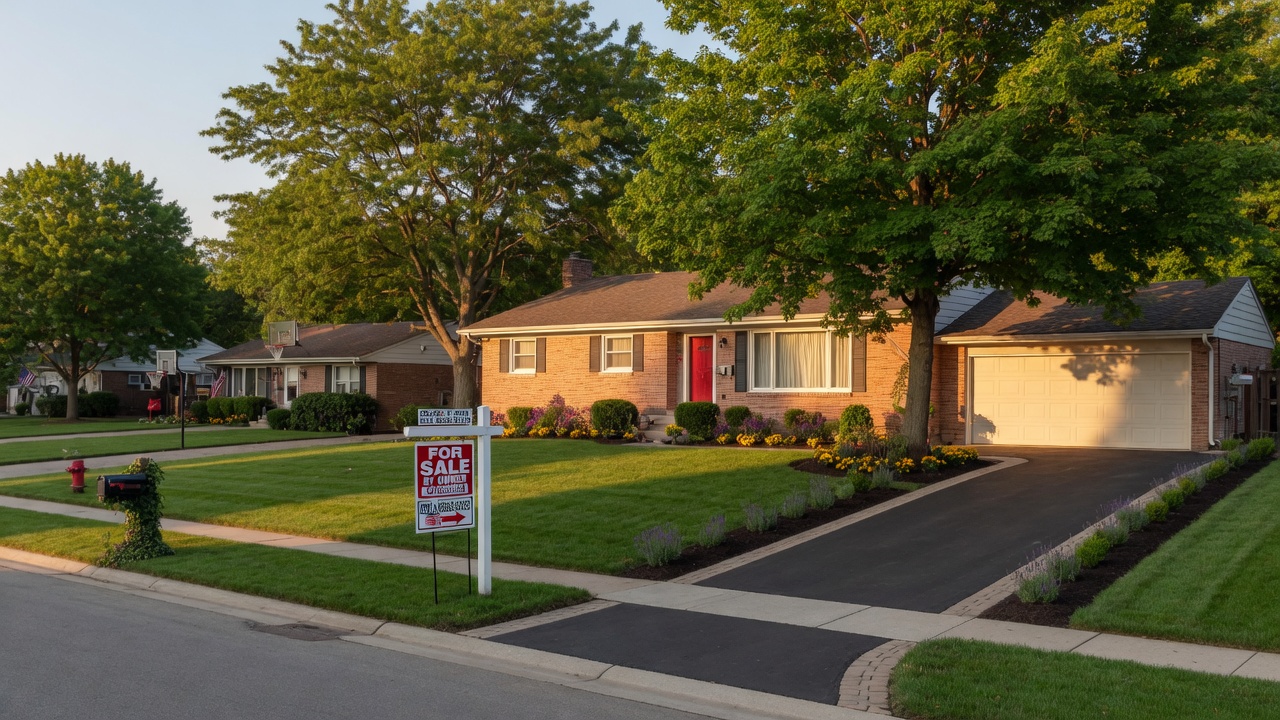
Every year, a number of Michigan homeowners decide to sell their property without a listing agent — commonly known as For Sale by Owner, or FSBO. The motivation is understandable: you want to save on commission and take control of the process yourself. After more than 20 years in real estate — including two decades working behind the scenes before becoming a licensed agent — I respect that impulse, and I believe every seller deserves an honest, balanced look at what working with a listing agent actually involves in Michigan before making that choice. This article covers the reality of selling on your own, where a licensed agent typically adds value, the disclosure requirements you must follow, how MLS access works, and why most sellers ultimately decide to work with a professional.
What Does "For Sale by Owner" Mean in Michigan?
In a FSBO transaction, the homeowner acts as their own listing agent. You handle pricing, marketing, showings, negotiations, paperwork, and coordination with the buyer's agent — all without a listing agent guiding the process. Michigan law does not require you to use a real estate agent to sell your home. Any homeowner can list and sell their own property.
However, there are important distinctions to understand:
- You can sell without a listing agent, but you still have legal obligations. Michigan's Seller's Disclosure Statement, federal lead paint disclosures (for homes built before 1978), and various state and local requirements all still apply to FSBO sellers.
- Most buyers work with an agent. According to the National Association of REALTORS®, approximately 87% of buyers in recent years have used a buyer's agent. That means you will likely need to cooperate with — and potentially offer compensation to — the buyer's agent even in a FSBO transaction.
- FSBO does not mean you handle everything alone. Even sellers who skip a listing agent usually hire a real estate attorney to review contracts and manage closing paperwork, which is an additional cost to consider.
What FSBO Involves: A Realistic Breakdown
Selling by owner is essentially taking on the role of a full-time project manager for your home sale. Here is what that typically requires:
Pricing Your Home Correctly
This is arguably the most critical step — and where many FSBO sellers struggle. Pricing too high leads to your home sitting on the market, accumulating days on market that signal desperation to buyers. Pricing too low leaves money on the table. In Michigan's current market, where conditions vary significantly from county to county and neighborhood to neighborhood, accurate pricing requires access to comparable sales data, knowledge of current absorption rates, and an understanding of micro-market dynamics that automated online tools often miss.
As a reference point, Genesee County median home prices in mid-2026 hover around $200,000–$250,000, while Oakland County properties in communities like Clarkston or Lake Orion regularly list above $350,000. Setting the right price in the right context is not simply a matter of looking at what your neighbor sold for two years ago.
Marketing and Exposure
A common misconception is that putting a sign in the yard and listing on JoyceEngland.com is sufficient. In reality, effective marketing in today's market involves:
- Professional photography (homes with professional photos sell significantly faster)
- A compelling, accurate listing description
- MLS access for maximum online exposure
- Social media promotion and targeted digital advertising
- Open house coordination
- Yard signs, print materials, and networking
Without professional marketing, FSBO listings often receive a fraction of the exposure that agent-listed properties receive — particularly on platforms beyond JoyceEngland.com, where MLS syndication ensures broad distribution.
Showings and Buyer Communication
You become the first point of contact for every inquiry. That means fielding calls and messages from buyer agents, scheduling showings, providing lockbox or showing access, and managing feedback from potential buyers. It is a time-intensive role, especially during the first two to three weeks after listing when interest tends to peak.
Negotiations
Once an offer arrives, you negotiate directly with the buyer or buyer's agent. This includes evaluating price, contingencies, earnest money, inspection timelines, financing terms, and closing date. Negotiation is not just about getting the highest number — it is about structuring a deal that closes successfully. An experienced agent understands how contingencies interact, when concessions are strategic, and how to keep a deal on track when complications arise.
Contracts and Legal Compliance
Michigan real estate transactions involve multiple legally significant documents: the purchase agreement, the Seller's Disclosure Statement, addenda, amendment forms, and closing documents. Errors or omissions in these documents can create legal liability or derail a transaction entirely. Most FSBO sellers hire a real estate attorney for this portion of the process, which typically costs $500 to $1,500 depending on complexity.
Michigan Disclosure Requirements You Cannot Skip
Michigan has specific disclosure requirements that apply to all sellers, including FSBO sellers. Failing to comply can result in legal consequences even after the sale closes.
The Seller's Disclosure Statement
Under Michigan law (MCL 565.951 to 565.965), sellers of residential real estate must provide buyers with a written Seller's Disclosure Statement. This document covers the property's known defects, conditions, and material facts including structural issues, plumbing and electrical systems, roof condition, environmental hazards, and more. The form must be provided before the buyer signs a purchase agreement. There are narrow exemptions — estate sales, court-ordered sales, and foreclosure transactions among them — but for most standard residential sales, this disclosure is mandatory.
Federal Lead-Based Paint Disclosure
For homes built before 1978, federal law requires sellers to disclose known information about lead-based paint and lead-based paint hazards. You must provide the EPA's "Protect Your Family from Lead in Your Home" pamphlet and give buyers a 10-day inspection period. This requirement applies equally to FSBO and agent-represented sales.
Well and Septic Disclosures
Many properties in rural and suburban parts of Mid-Michigan rely on well water and septic systems. If applicable, you may need to provide documentation about well testing results, septic inspection records, and the location of these systems. The Michigan Department of Environment, Great Lakes, and Energy (EGLE) has specific requirements for well water testing that buyers and their agents will expect to see.
HOA Disclosures
If your property is within a homeowners association, you must disclose this to buyers and provide relevant HOA documents including bylaws, financial statements, and any pending assessments.
How Does MLS Access Work for FSBO Sellers?
This is one of the most important practical questions for FSBO sellers. The MLS (Multiple Listing Service) is the primary database that feeds home listings to JoyceEngland.com, Realtor.com, Redfin, and every major real estate platform. Without MLS access, your listing's online visibility is dramatically limited.
In Michigan, FSBO sellers have a few options for MLS access:
- Flat-fee MLS listing services — Companies that will place your listing on the MLS for a flat fee, typically $100 to $500. This gets your property on JoyceEngland.com, Realtor.com, and other platforms but usually does not include any marketing support, negotiation assistance, or agent representation. You will still need to handle everything else yourself.
- Offering buyer agent compensation — To attract buyers who work with agents (the majority), you will likely need to offer a competitive buyer's agent commission — typically 2.5% to 3% of the sale price. Without this, many buyer agents will steer their clients toward better-compensated listings.
- Alternative listing platforms — Some FSBO sellers use platforms like ForSaleByOwner.com or similar services, but these do not have the reach of full MLS syndication.
The key takeaway: even with flat-fee MLS access, you are paying for distribution — not for the marketing strategy, pricing expertise, negotiation skill, or transaction management that a listing agent provides.
Where Agents Typically Add Value
This is not a sales pitch — it is an honest assessment based on two decades of watching transactions succeed and fail. Here is where a licensed agent typically makes the biggest difference:
Pricing Strategy
Accurate pricing requires more than pulling comparable sales from JoyceEngland.com. A local agent understands neighborhood-level pricing, seasonal trends, buyer psychology, and how specific features affect value in specific communities. In my experience, homes priced correctly from day one sell faster and often for more than homes that start high and undergo multiple price reductions.
Marketing Execution
Professional photography, virtual tours, drone aerials, social media campaigns, MLS optimization, and network activation — these are standard tools in an agent's marketing toolkit. The marketing gap between a typical FSBO listing and an agent-represented listing is substantial and directly impacts buyer traffic and offer quality.
Negotiation and Deal Management
This is where experience pays off most. A skilled agent manages the entire negotiation — not just price, but contingencies, repair requests, timelines, and financing terms. They know when to push, when to compromise, and when a deal is headed off the rails. They also coordinate with inspectors, appraisers, title companies, and lenders to keep the transaction on schedule.
Legal Protection
A licensed agent understands disclosure requirements, contract terms, and fiduciary obligations that protect both parties. Errors in a purchase agreement or incomplete disclosures can lead to post-closing disputes — a risk that is reduced significantly with professional oversight.
Common Pitfalls FSBO Sellers Face
After watching many FSBO transactions — both those that succeeded and those that didn't — here are the most common issues:
- Overpricing: Without accurate market data, sellers often overestimate their home's value based on emotional attachment or outdated information. Overpriced listings sit, lose momentum, and eventually sell for less than if they had been priced correctly from the start.
- Limited exposure: FSBO properties receive significantly less buyer traffic than MLS-listed homes. Fewer showings means fewer offers, and fewer offers means less negotiating leverage.
- Emotional decision-making: Selling your own home is deeply personal. An agent provides objective guidance that keeps the process strategic rather than emotional.
- Incomplete or inaccurate disclosures: Michigan's disclosure requirements are specific. Missing or incorrect disclosures can result in legal liability that extends years after closing.
- Transaction complexity: Real estate transactions involve multiple moving parts — financing contingencies, inspection deadlines, appraisal requirements, title issues. Missing a deadline or misunderstanding a contingency can kill a deal.
- Net savings are often smaller than expected: When you factor in flat-fee MLS costs, attorney fees, marketing expenses, the buyer's agent commission you will likely need to offer, and the potential impact of pricing and negotiation mistakes, the savings from FSBO are often significantly less than the commission you would have paid — and sometimes FSBO sellers end up netting less overall.
What Do the Numbers Show?
National data from the National Association of REALTORS® consistently shows that the vast majority of home sales involve a real estate agent on at least one side of the transaction. FSBO sales represent a small and declining share of the market — typically around 7% to 10% of all transactions. The median sale price for FSBO homes is generally lower than for agent-represented homes, which suggests that the commission savings may be partially or fully offset by lower sale prices.
In Michigan specifically, the competitive landscape of Mid-Michigan's market — where buyers have access to numerous agent-listed properties through MLS — makes it even more challenging for FSBO sellers to attract the same level of buyer interest.
If You Decide to Sell FSBO: Practical Tips
If you have weighed the options and decided to sell by owner, here are practical tips to improve your chances of success:
- Hire a real estate attorney early. Do not wait until a contract appears. Have an attorney review your disclosure documents and purchase agreement before you list.
- Invest in professional photography. Even as a FSBO seller, professional photos are non-negotiable. The cost is modest compared to the impact on buyer interest.
- Use a flat-fee MLS service. Get your listing on the MLS for maximum exposure. Offer competitive buyer's agent compensation to attract the broadest buyer pool.
- Price conservatively. If you are unsure, price slightly below market to generate interest and competition rather than above market and risk sitting.
- Be available. Buyers and their agents expect quick responses. Slow communication costs showings and offers.
- Understand all disclosure obligations. Review Michigan's Seller's Disclosure requirements thoroughly, and if you have any doubts, consult your attorney.
- Track everything. Keep records of all communications, offers, and documents. Organization protects you legally and helps manage the process.
A Balanced Perspective
Selling by owner in Michigan is absolutely possible. Some homeowners successfully navigate the process, particularly in strong seller's markets where demand exceeds supply. But success requires significant time, knowledge, objectivity, and attention to detail — and the financial savings are often smaller than they initially appear.
What I have learned across 20+ years in this business — first behind the scenes, now as a licensed agent — is that the value of professional representation lies not just in the tools and marketing, but in the judgment that comes from experience. Knowing when to hold firm on price, when to negotiate on repairs, how to handle a complicated appraisal situation, and how to keep a transaction on track when obstacles arise — these are the moments that define whether a sale succeeds or falls apart.
If you are considering FSBO, I encourage you to make that decision with full information. And if you decide you would like professional support at any point — whether for pricing, marketing, negotiation, or full representation — I am happy to have that conversation without pressure.
You can schedule a consultation, call me at 810-513-3335, or visit my Seller Strategy page to learn how I approach listing and marketing homes in Mid-Michigan.
Frequently Asked Questions
Can I sell my home without a real estate agent in Michigan?
Yes. Michigan law does not require you to use a real estate agent to sell your home. However, you are still responsible for all legal requirements including the Seller's Disclosure Statement, lead paint disclosures (for pre-1978 homes), and proper contract execution. Most FSBO sellers hire a real estate attorney to help with compliance.
Do I need to offer a commission to the buyer's agent in a FSBO sale?
You are not legally required to offer buyer's agent compensation, but in practice, most FSBO sellers do offer a competitive commission (typically 2.5% to 3%) to attract buyers who work with agents. Without offering compensation, your pool of potential buyers is significantly smaller since approximately 87% of buyers use a buyer's agent.
How do I get my FSBO listing on JoyceEngland.com and Realtor.com?
You need MLS access for your listing to syndicate to major platforms like JoyceEngland.com and Realtor.com. Flat-fee MLS listing services in Michigan typically charge $100 to $500 to place your listing on the local MLS. This provides distribution but not marketing support or representation.
What disclosures am I required to make as a FSBO seller in Michigan?
Michigan requires sellers to provide a written Seller's Disclosure Statement covering known defects and material facts about the property. If your home was built before 1978, you must also comply with federal lead-based paint disclosure requirements. Properties with well water or septic systems may have additional disclosure obligations.
Do FSBO sellers actually save money compared to using an agent?
While FSBO sellers avoid the listing agent commission, they often incur other costs including flat-fee MLS fees, attorney fees, marketing expenses, and buyer's agent commissions. National data also shows that FSBO homes typically sell for less than agent-represented homes, which can offset or eliminate the commission savings entirely.

Keller Williams First · Licensed since 2014 · 20+ years of real estate industry experience · 810-513-3335
Thinking About Selling?
Let's Talk About Your Options
Whether you sell on your own or with representation, I'm happy to answer your questions and help you make an informed decision.
Schedule a ConsultationOr call 810-513-3335