How to Read and Understand a Home Appraisal Report
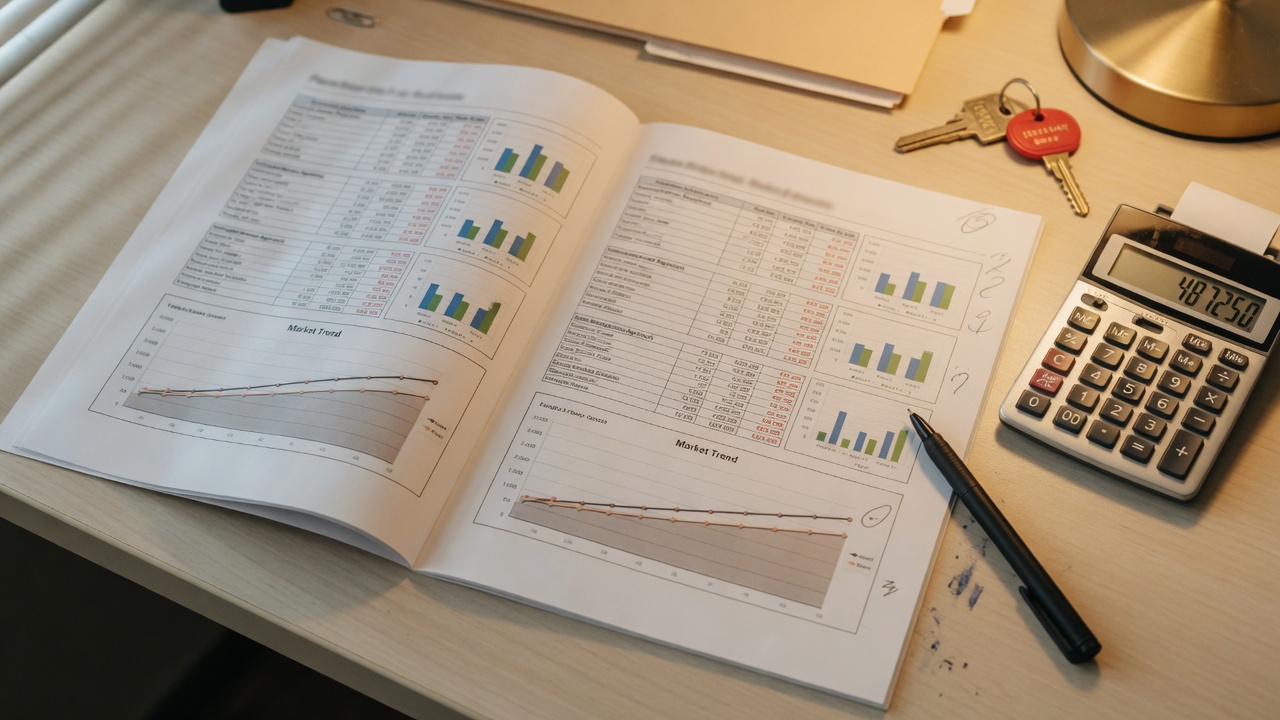
Few moments in a real estate transaction create more anxiety than the appraisal. For buyers, a low appraisal can jeopardize financing. For sellers, it can mean renegotiating a deal they thought was done. And for everyone involved, the appraisal report itself can feel like a mysterious document filled with numbers, jargon, and conclusions that don't always make intuitive sense.
Here's the good news: appraisal reports aren't as complicated as they appear. Once you understand what the appraiser is looking at, how they make their decisions, and what the report actually tells you, the whole process becomes much less intimidating. As a Mid-Michigan REALTOR®, I walk clients through appraisal reports regularly, and I want to do the same for you.
What the Appraiser Is Actually Looking At
An appraiser's job is to determine the market value of a property — what it would likely sell for in the current market under normal conditions. To do this, they conduct a thorough evaluation that covers both the property itself and the broader market context. Here's what they examine:
The Property Itself
- Condition and quality of construction. The appraiser assesses materials, workmanship, and overall build quality. A well-maintained home with quality finishes will score higher than one with deferred maintenance or builder-grade materials throughout.
- Size and functional layout. Total square footage, number of bedrooms and bathrooms, room flow, and whether the layout matches what buyers in this market expect. A four-bedroom home with only one bathroom will be valued differently than a four-bedroom with two-and-a-half baths, even if the total square footage is similar.
- Features and amenities. Updated kitchens, finished basements, hardwood floors, granite countertops, fireplaces, central air, and modern fixtures all contribute to value. The appraiser notes what's present and what's standard for comparable homes in the area.
- Lot size, location, and views. A larger lot, a corner position, a view of a lake, or proximity to a park can add value. Conversely, backing up to a busy road or commercial property may detract from it.
- Overall condition and deferred maintenance. Peeling paint, a roof near the end of its life, cracked driveways, or an outdated electrical panel can all reduce the appraised value. The appraiser is evaluating the home as it exists today — not its potential after renovations.
The Surrounding Market
- Comparable sales (comps). This is the backbone of the appraisal. The appraiser selects recently sold properties that are similar in size, style, condition, and location, then adjusts for differences to arrive at a value for the subject property.
- Active listings and pending sales. Current competition on the market and homes under contract provide context for where the market is heading, even though they aren't used as direct value comparisons.
- Market trends. Is the area appreciating, stable, or declining? The appraiser considers the direction and velocity of market movement when selecting and weighting comps.
- Neighborhood characteristics. School districts, proximity to amenities, crime rates, and overall desirability of the location all factor into the final opinion of value.
How Comparable Properties Are Selected
The comparable sales section is where most of the value calculation happens, and it's the part of the report that buyers, sellers, and agents often scrutinize most closely. Here's how appraisers choose their comps:
- Recency. The best comps have sold within the last three to six months. Older sales are used when recent comparable sales are limited, but they carry less weight.
- Proximity. Comps should be in the same neighborhood or a very similar nearby area. An appraiser won't typically compare a rural five-acre property in Lapeer County to a half-acre suburban lot in Oakland County.
- Similarity. The best comps match the subject property in style (ranch, colonial, split-level), size (within 10-15% of square footage), bedroom/bathroom count, garage capacity, and overall condition.
- Adjustments. No two homes are identical, so the appraiser makes dollar adjustments for differences. If the comp has a finished basement and the subject doesn't, the appraiser subtracts the estimated value of that finishing from the comp's sale price. If the subject has a newer roof, that's added back.
In most reports, you'll see three to five comparable sales. In areas with limited inventory — common in many Mid-Michigan markets — the appraiser may have to reach a bit further for comps or use older sales data. This is one reason why appraisals in low-inventory markets can sometimes feel like they're behind the curve.
Common Red Flags in Appraisal Reports
When you receive an appraisal report, there are specific areas worth paying attention to — especially if the appraised value comes in lower than expected:
- Inaccurate property details. Check the basics first: square footage, bedroom count, bathroom count, lot size, and year built. Errors in these fundamentals can throw off the entire analysis. If the appraiser counted three bedrooms when the home has four, that's a significant oversight.
- Inappropriate comparables. Are the comps truly similar to the subject property? If the appraiser used a smaller, older, or less-upgraded home as a primary comp, the value may not reflect your property's actual market position.
- Missing adjustments. Review the adjustment grid. If the subject has features the comps don't — a finished basement, a pool, recent renovations — but those aren't reflected in the adjustments, the value may be understated.
- Condition observations that seem harsh. The appraiser will note deferred maintenance or dated features. If their description seems exaggerated or inaccurate, it may have impacted the value assignment. Documenting recent improvements with receipts and before/after photos can help challenge an unfair assessment.
- Unfavorable market snapshot. Sometimes the appraiser's market analysis doesn't capture recent sales that closed after their comparable search window. Providing your agent's documentation of newer sales can be valuable in these situations.
What to Do When the Appraisal Comes in Low
A low appraisal is stressful, but it's not the end of the deal. There are several remedies available, depending on your situation:
- Request a price reduction from the seller. In a buyer's market or a balanced market, sellers may agree to reduce the contract price to match the appraised value. This is the most straightforward resolution.
- Split the difference. A common compromise is for the buyer and seller to share the gap between the appraised value and the contract price. This requires both parties to be willing to negotiate in good faith.
- Challenge the appraisal. If there are factual errors, inappropriate comps, or missed adjustments, you can request a rebuttal. Your agent can submit comparable sales data, documentation of improvements, and other evidence to support a higher value. Success rates vary, but it's always worth attempting when the appraisal appears flawed.
- Order a second appraisal. This is uncommon and not always permitted by the lender, but in some cases — particularly when the first appraisal seems significantly off — it may be possible. The buyer typically pays for the second appraisal, which adds cost and delay.
- Walk away. If the gap between the appraised value and the contract price is too large to bridge, and the seller won't negotiate, the appraisal contingency (if included in the purchase agreement) allows the buyer to terminate the deal and recover their earnest money. For more on this, see my guide to contingencies in a purchase agreement.
Assessed Value vs. Market Value: Understanding the Difference
One of the most common misconceptions I encounter is the confusion between a home's assessed value (as determined by the county) and its market value (as determined by an appraiser or the open market). They are fundamentally different:
- Assessed value is determined by the local municipality for property tax purposes. In Michigan, the assessed value is typically 50% of the state equalized value (SEV), which itself is based on the property's market condition as of December 31 of the prior year. Assessed values are updated annually but often lag behind real-time market conditions. For a deeper dive, see my guide to Michigan property taxes.
- Market value is what a willing buyer would pay a willing seller in the current market. This is what the appraiser estimates and what ultimately determines the sale price. Market value reflects current supply and demand, recent comparable sales, and the specific attributes of the property as it exists today.
In practice, assessed values can be significantly lower — or sometimes higher — than market value. A home that's assessed at $250,000 might sell for $325,000 in today's market. Conversely, a home whose assessed value hasn't caught up to a declining market might be assessed at more than it could actually sell for. Understanding this distinction helps buyers and sellers set realistic expectations and avoid confusion during negotiations.
The Appraisal Process in Context
The appraisal is one step in a larger transaction. It protects the lender by ensuring the property is worth what they're financing, and it protects the buyer by confirming they're not overpaying. A successful appraisal that confirms the contract price allows everyone to move forward with confidence. A low appraisal creates a negotiation moment — but it's a navigable one with the right guidance.
I help my clients prepare for appraisals by ensuring the home is in its best possible condition, providing the appraiser with relevant comparable sales data, and being available to answer questions about the property's features and improvements. After the appraisal, I review the report with my clients line by line, explaining what the numbers mean and identifying any areas that might warrant further action.
For a complete walkthrough of what happens after the appraisal, see my guide to next steps after the appraisal.
A Note on Appraisal Questions
Please verify your appraisal questions with the licensed appraiser who prepared the report. An appraiser is the professional best qualified to explain their methodology, the comparable sales they selected, and how each adjustment was made.
I can help you interpret the report in the context of your sale and provide local market context, but a licensed appraiser is the authority on appraisal methodology. I am a licensed REALTOR® with Keller Williams First, not an appraiser, and I am happy to offer expert real estate advice on buying or selling a home in Mid-Michigan.
Questions About Your Home's Value?
Whether you're buying, selling, or simply curious about your home's current market value, I'm happy to help you understand the numbers. Every market has its nuances, and a local agent who understands your specific area can provide context that an appraisal alone doesn't capture. Schedule a consultation or call me at 810-513-3335 to start the conversation.

Keller Williams First · 810-513-3335 · Schedule a consultation