How to Evaluate a Neighborhood Before You Buy
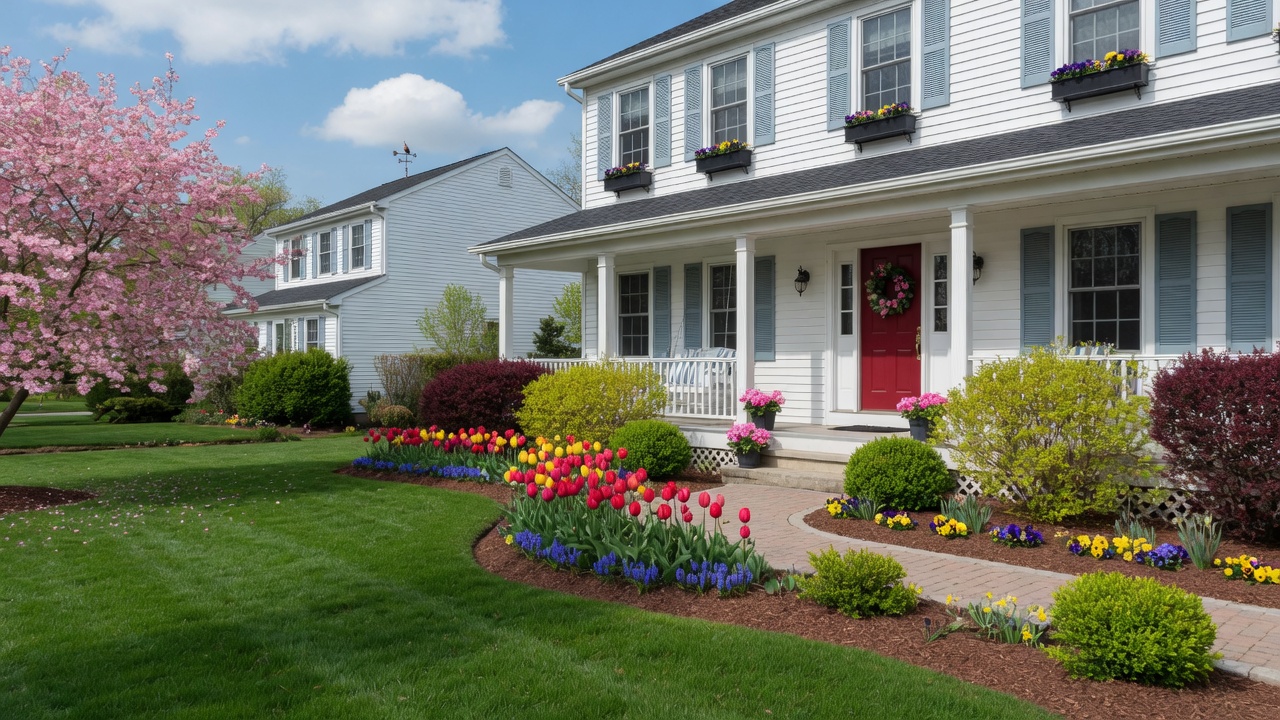
Finding the right home is about more than square footage, bedroom count, and kitchen finishes. The neighborhood you choose will shape your daily life — your commute, your community, your peace of mind, and your property's long-term value. Yet many buyers fall in love with a house and give the surrounding neighborhood only a passing glance before making an offer.
As a Mid-Michigan REALTOR® who has helped buyers navigate communities across Genesee, Oakland, Livingston, and Lapeer Counties, I've seen how a little extra neighborhood research can prevent buyer's remorse — and uncover hidden value that photos and listings alone can't reveal. Here's a practical framework for evaluating a neighborhood before you commit.
Visit at Different Times of Day
This is the single most important piece of advice I give every buyer, and it's the one most often skipped. A neighborhood that looks peaceful on a Tuesday afternoon may feel entirely different at 7:30 AM on a weekday or 10 PM on a Saturday night.
Plan to visit your target neighborhood at least three times before making an offer:
- Weekday morning (7–9 AM): This tells you about the morning rush. How heavy is traffic? Are there school buses? How congested are the intersections? If you have kids, this is also when you'll see the school pickup and drop-off patterns.
- Weekday evening (5–7 PM): This is when people are home. Are homes well-maintained? Are people outside walking, playing with kids, or tending yards? What's the noise level? This is your best snapshot of what everyday life feels like.
- Weekend evening (Friday or Saturday, 8–11 PM): This reveals the neighborhood's social dynamics. Is it quiet and residential, or are there parties, loud music, or heavy traffic? Some neighborhoods that feel idyllic during the day shift character at night.
While you're visiting, pay attention to the details that photos never capture: the condition of sidewalks and roads, the presence of streetlights, the quality of nearby landscaping, and the overall feel of the blocks surrounding your target property. These observations will tell you more about the neighborhood than any listing description.
Talk to Neighbors
Neighbors are the most valuable and most overlooked resource in your neighborhood evaluation. They know things about the area that no listing, website, or public record will tell you — and most people are happy to share if you approach them warmly.
Here's a simple approach: park near the property you're considering and take a walk. If you see someone outside — gardening, walking a dog, checking their mail — introduce yourself. Explain that you're considering buying in the neighborhood and ask what they like about living there. You'll be surprised how much people will tell you.
Questions worth asking:
- How long have you lived here?
- What do you like most about the neighborhood?
- Is there anything you wish were different?
- How are the neighbors on the street where the house is located?
- Are there any noise issues, flooding concerns, or other problems I should know about?
- How are the schools? (Even if you don't have kids, the answer affects resale value.)
Pay attention not just to what neighbors say but how they say it. Enthusiastic, unprompted praise is a strong positive signal. Hesitation, vague answers, or quick subject changes may indicate issues worth investigating further.
Check Crime Statistics — But Read Them in Context
Crime data is freely available through local police departments, county sheriff's offices, and online platforms. In Michigan, many communities publish crime statistics through their municipal websites, and services like CrimeMapping.com and SpotCrime compile data from multiple sources.
Here's what to look for:
- Trends over time: A single burglary in a neighborhood isn't a red flag. A pattern of increasing property crime over several years is worth investigating.
- Types of crime: Understand the difference between property crime (theft, vandalism) and violent crime. Most residential neighborhoods in Mid-Michigan have relatively low violent crime rates, but property crime can vary significantly by area.
- Proximity and concentration: Crime that occurs in a commercial area adjacent to a residential neighborhood may not reflect the residential area's safety. Look at where incidents are concentrated, not just the broad geographic area.
- Police presence and response: Some communities have dedicated community policing programs or neighborhood watch groups. Ask neighbors and check with the local police department or sheriff's office.
In my experience, the safest approach is to use crime data as one input among many — not as the sole deciding factor. Combine the statistics with your personal observations, neighbor conversations, and general feel for the area.
Research School Ratings — Even If You Don't Have Kids
School quality is one of the most powerful drivers of property values in any residential market. Homes in highly rated school districts consistently sell for more and appreciate faster than comparable homes in lower-rated districts — sometimes by 10–20% or more.
In Mid-Michigan, school district boundaries don't always align with city or township boundaries, so two homes a mile apart can feed into very different schools. Research the specific schools that serve the property you're considering — not just the district as a whole, but the individual elementary, middle, and high school assignments.
Useful resources include the Michigan Department of Education's school performance data, GreatSchools.org, and niche.com, which aggregate test scores, graduation rates, teacher quality metrics, and parent reviews. But remember that ratings are a starting point, not a verdict. A school with a "7 out of 10" rating may have an outstanding arts program or special education services that a numerical score doesn't capture.
For families relocating to Mid-Michigan, I've put together a comprehensive overview of Mid-Michigan school district resources across the region.
Check for Nearby Development Plans
What's happening around a neighborhood — not just in it — can significantly affect your quality of life and property value. A quiet street today could be adjacent to a proposed commercial development, a road widening project, or a new subdivision that changes the character of the area.
Here's how to research development activity:
- Municipal planning departments: Check the city or township website for master plans, zoning maps, and meeting agendas for planning commissions and zoning boards of appeal. These public meetings are where development proposals are reviewed.
- Michigan.gov mapping tools: The Michigan Economic Development Corporation and local municipalities often publish maps of planned infrastructure projects, including road improvements, utility extensions, and transit developments.
- Commercial real estate listings: Check for vacant commercial parcels near the neighborhood. Large parcels near residential areas may be candidates for future development.
- News coverage: Local newspapers and online news outlets often report on major development proposals. A quick search of "[community name] development" or "[community name] zoning" can surface relevant articles.
In Mid-Michigan, communities like Grand Blanc, Fenton, and Holly have all experienced significant growth in recent years, with new commercial and residential development reshaping some areas. In other communities, growth has been more deliberate, preserving the character that attracted buyers in the first place. Understanding the trajectory of the area — not just its current state — is essential.
Evaluate the Practical Essentials
Beyond the emotional and lifestyle factors, every neighborhood evaluation should cover a few practical bases:
- Commute time: Drive the actual route you'd take to work during peak hours. GPS estimates during off-peak times can be significantly misleading.
- Access to services: How far is the nearest grocery store, pharmacy, medical facility, and hardware store? These daily errands add up, and a 20-minute drive to the nearest grocery store gets old fast.
- Flood zone status: Check FEMA flood maps to determine whether the property is in a flood zone. Flood insurance can add hundreds or thousands of dollars to your annual costs, and some properties may have drainage issues that don't show up on official maps.
- Internet and cell service: In rural or semi-rural areas of Mid-Michigan, internet availability and cell reception can vary significantly. Test your phone signal in different parts of the neighborhood and research internet service providers for the address.
- Noise sources: Check proximity to highways, railways, airports, industrial areas, or agricultural operations (which can involve seasonal noise from equipment and irrigation). Visit during different times to assess noise levels.
Trust Your Gut — But Verify
After you've done the research, visited at different times, talked to neighbors, and checked the data, there's still one more factor that matters: how the neighborhood feels. That gut-level sense of comfort — or unease — is worth honoring. But it should be informed gut feeling, not an uninformed one.
Here's what to pay attention to:
- Curb appeal of neighboring homes: Are properties generally well-maintained? Are lawns mowed, roofs in good condition, and exteriors cared for? The overall condition of surrounding homes is a strong indicator of neighborhood pride and stability.
- Social signals: Do you see kids playing outside? People walking dogs? Neighbors chatting? These small indicators of community life are hard to manufacture and impossible to fake.
- Your emotional response: Can you picture yourself living here? Can you imagine pulling into the driveway after a long day and feeling good about where you are? The numbers and data inform the decision, but the feeling seals it.
A Neighborhood Evaluation Checklist
Here's a condensed checklist you can use when evaluating a neighborhood:
- ✓ Visited at morning, evening, and weekend times
- ✓ Talked to at least two neighbors
- ✓ Reviewed crime data and trends
- ✓ Researched specific school assignments and ratings
- ✓ Checked municipal planning for nearby development
- ✓ Drove the commute route during peak hours
- ✓ Verified flood zone status and insurance costs
- ✓ Tested cell service and internet availability
- ✓ Assessed nearby services and amenities
- ✓ Noted the overall condition of surrounding homes
- ✓ Confirmed personal comfort and gut feeling
I Can Help You Evaluate Every Neighborhood
Choosing the right neighborhood is one of the most important decisions you'll make as a buyer — and it's one where local knowledge makes a real difference. I know the communities I serve intimately, from the character of individual streets to the quality of specific school buildings to the development plans that will shape these areas over the next decade.
If you're buying in Mid-Michigan, schedule a consultation, call me at 810-513-3335, or email joyce@midmichiganliving.com. I'll bring the neighborhood expertise — you bring your wish list and your curiosity.
For more buyer guidance, explore our first-time buyer guide and common first-time buyer mistakes to avoid.

Keller Williams First · Licensed since 2014 · 20+ years of real estate industry experience · 810-513-3335