The Emotional Side of Buying a Home
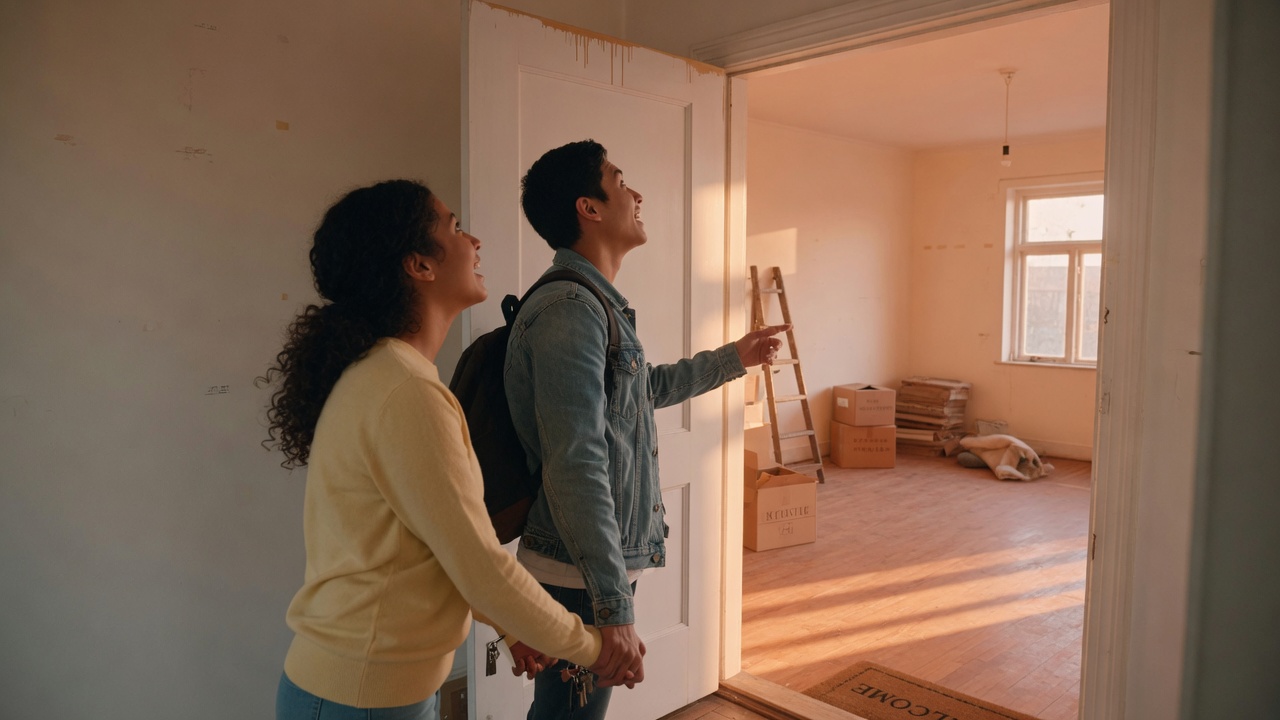
We talk a lot about the financial side of buying a home — pre-approval, closing costs, property taxes, and competitive offers. But here's what I've learned after more than two decades of helping people buy homes: the numbers are only half the story. Buying a home is one of the most emotional experiences most people will ever go through — and acknowledging that isn't a weakness. It's the key to making a decision you'll feel good about for years.
The Excitement: When It All Feels Possible
There's a moment in every home search when it clicks. You walk into a house and something just feels right. The light is good. The kitchen works for how you actually cook. The backyard is where you can already picture your kids playing or your dog running. Your partner looks at you with that look — the one that says, "This might be it."
That excitement is real and it matters. It's the emotional signal that a home isn't just a structure — it's a place where your life is going to happen. I never dismiss that feeling. It's one of the reasons I love what I do: watching people find the place where their next chapter begins is genuinely one of the most rewarding parts of my work.
But excitement can also be a double-edged sword. When you're emotionally invested in a home, it becomes harder to see it clearly. That's where a trusted agent steps in — not to dampen your enthusiasm, but to help you evaluate the home with both your heart and your head. As I wrote in my article on why communication matters in real estate, the best agent-client relationships are built on honest, ongoing dialogue — especially when emotions are high.
The Stress: When It Stops Feeling Fun
For every moment of excitement, there's a moment of stress. The inspection report that lists more issues than you expected. The appraisal that comes in lower than the offer price. The competing offer that makes you question whether you should stretch your budget. The waiting — the endless, anxious waiting — for lender updates, title work, and closing dates.
I've sat across the table from buyers who were in tears during the process — not because anything went wrong, but because the pressure of making such a large financial decision felt overwhelming. That's completely normal. Buying a home is likely the biggest purchase you'll ever make, and the weight of that decision is real.
Here's what I tell every buyer going through a stressful moment: you are not alone in this. The stress doesn't mean you're making a bad decision. It means you're making an important one. And having someone in your corner who has guided many others through the same anxiety — and come out the other side with a home they love — is exactly what you need. I've been through hundreds of transactions, and I can tell you: the stress is temporary, but the home is not.
Decision Fatigue: When Every Choice Feels Impossible
One of the least-discussed emotional challenges of buying a home is decision fatigue. Before you even make an offer, you'll have made hundreds of decisions: which neighborhoods to look in, which school districts to prioritize, how many bedrooms you really need, whether you're willing to compromise on the garage, whether a longer commute is worth a bigger yard.
Then, once you're under contract, the decisions multiply: what to negotiate in the inspection response, whether to accept or counter the seller's repair offer, whether to extend the closing date, which home warranty to choose. By the time you reach closing, many buyers are so exhausted that they just want it to be over.
This is one of the most important things I do as an agent: reduce the number of decisions you have to make by handling the complexity on your behalf. When you work with me, I break decisions down into manageable pieces, provide clear options with honest recommendations, and take care of the behind-the-scenes coordination so you can focus on the decisions that truly require your input. After 20+ years in the industry, I've built systems that streamline the process without losing the personal touch.
The Fear: What If I Make the Wrong Choice?
Underneath the excitement, the stress, and the fatigue, there's often a quieter fear: what if this is a mistake? What if the market drops right after I buy? What if I find a better house next week? What if the roof leaks or the furnace dies in February?
This fear is universal — I've heard it from first-time buyers and seasoned downsizers alike. And while I can't promise that nothing will ever go wrong with a home (no honest agent can), I can tell you this: the process of buying a home — with proper disclosures, a thorough inspection, and professional guidance — is designed to protect you. A good agent helps you manage risk, not eliminate it, and that distinction is what gives buyers the confidence to move forward.
In my experience, the buyers who feel the most fear are often the ones who end up loving their home the most — because they cared enough to take the decision seriously.
The Relief: It's Over, and It Was Worth It
Then there's the moment after closing. You're standing in your new home — maybe for the first time as the owner — and the weight lifts. The boxes aren't unpacked yet. The furniture is still in the wrong room. But it's yours.
I've been at hundreds of closings, and the joy on my clients' faces never gets old. It's the moment when all the stress, the decisions, and the fear crystallize into something simple: I did it. This is my home.
That moment is why I do this work. Every difficult conversation, every late-night phone call, every negotiation — it all leads to that moment. And I feel privileged to be part of it.
How I Help Navigate the Emotional Side
My approach to real estate has always been rooted in the belief that honest guidance and exceptional personal service are what matter most. I don't just help you find a house — I help you manage the emotional journey that comes with it.
Here's what that looks like in practice:
- I listen first. Before I show you a single listing, I want to understand what you're looking for — not just in a house, but in a lifestyle. What matters to you? What's driving this move? What are you afraid of? The more I understand, the better I can help.
- I give you honest answers. When you ask me whether a home is worth the asking price, you'll get my real opinion — not just what you want to hear. That honesty is what referral clients tell me they value most.
- I manage the pace. If you need to move fast, I'll move fast. If you need time to think, I'll make sure no one pressures you into a decision before you're ready. Your timeline is my timeline.
- I anticipate problems. Many emotional moments in a transaction come from surprises. My job is to minimize surprises by staying ahead of the process — flagging potential issues early, preparing you for what's coming, and solving problems before they become crises.
- I celebrate with you. When we get to closing day, I want you to feel the full joy of the moment. You've earned it.
It's Okay to Feel Everything
If you're in the middle of a home search right now and feeling a swirl of emotions — excitement, fear, impatience, doubt — I want you to know: that's exactly how it's supposed to feel. Buying a home is a big deal because it is a big deal. The emotions aren't a distraction from the process — they're part of it.
What you need is an agent who doesn't just know the market, but who understands the human side of what you're going through. That's the kind of agent I strive to be for every client. Schedule a consultation and let's start this journey together. You can also reach me at 810-513-3335.

Keller Williams First · 810-513-3335 · Schedule a consultation